


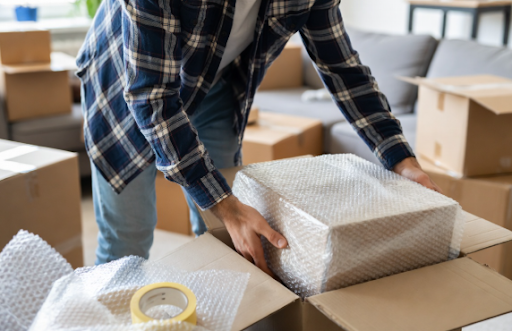
Moving creates more risk than many people expect. Furniture can get scratched, glassware can break, documents can disappear into unmarked boxes, and poorly packed electronics may arrive damaged. Knowing how to protect belongings when moving starts well before the truck arrives. A practical plan for sorting, packing, labeling, loading, and keeping essential items accessible can prevent avoidable problems on moving day.
Why Belongings Get Lost or Damaged During a Move
Most moving damage is not caused by one major mistake. It usually comes from small oversights that build up during a rushed packing process. Weak boxes, unclear labels, overloaded containers, and poor truck loading can all make belongings harder to protect.
Common causes of lost or damaged items include:
- Packing at the last minute without a room-by-room plan
- Using worn, damp, or lightweight boxes
- Mixing belongings from different rooms in the same box
- Leaving empty spaces that allow items to shift
- Overloading large boxes with books, tools, or kitchenware
- Failing to mark fragile or high-priority boxes
- Loading delicate items beneath heavy furniture or appliances
- Placing passports, medication, jewelry, or financial documents in the moving truck
A more organized process helps prevent damage during a move while making unpacking faster and less stressful.
Start With a Moving Inventory Before You Pack
An inventory gives you a clear record of what you own and where it is going. It is particularly useful for long-distance moves, storage arrangements, insurance claims, and households with many boxes.
Sort Belongings Into Categories
Before buying packing supplies, separate items into categories. This reduces the number of belongings you need to move and prevents you from spending time packing things you no longer need.
Use five simple groups:
- Keep: Items that will move to the new home
- Donate: Usable belongings that no longer fit your needs
- Sell: Furniture, electronics, or décor with resale value
- Recycle: Paper, old electronics, cardboard, or materials accepted locally
- Discard: Broken, expired, damaged, or unusable items
Sorting also prevents unrelated items from getting packed together, which is one of the most common reasons people struggle to find things after moving.
Identify High-Value and Essential Items
Create a separate moving checklist for valuables before packing ordinary household belongings. These items need more protection and should usually travel with you rather than in a moving truck.
Prioritize:
- Passports, IDs, birth certificates, and insurance records
- Lease agreements, contracts, and financial documents
- Prescription medication and medical devices
- Jewelry, cash, heirlooms, and collectibles
- Laptops, hard drives, cameras, and chargers
- Spare keys, vehicle documents, and emergency contacts
Keep these items in a backpack, locked briefcase, or small carry-on bag that stays under your control throughout the move.
Take Photos of Valuable or Fragile Belongings
Photograph valuable furniture, artwork, electronics, and fragile belongings before packing. Photos can document their condition and make it easier to identify damage after delivery.
For electronics, photograph serial numbers, model information, and cable connections. This is especially helpful for televisions, desktop computers, routers, gaming systems, and home office equipment. A quick photo of the back of a device can save time when reconnecting cables in the new home.
Choose the Right Packing Materials
Reliable materials are a major part of how to protect belongings when moving. Cheap or inappropriate supplies often create problems that are more expensive than buying proper boxes and padding from the start.
Useful packing materials include:
- Strong moving boxes in several sizes
- Small boxes for books and dense items
- Bubble wrap for fragile pieces
- Packing paper for dishes, glassware, and ceramics
- Stretch wrap for furniture and drawers
- Furniture blankets or padded covers
- Heavy-duty packing tape
- Labels and permanent markers
- Zip bags for screws, remotes, brackets, and hardware
- Plastic bins for essentials or moisture-sensitive belongings
Use smaller boxes for heavy items and larger boxes for lightweight belongings such as bedding, pillows, lampshades, and linens. A box should be manageable for one person to lift safely.
Why Used or Weak Boxes Can Create Problems
Used boxes may seem economical, but they can create avoidable risks. Cardboard weakens when it has been exposed to moisture, repeated folding, heavy loads, or previous shipping damage.
Weak boxes can lead to crushed corners, split bottoms, poor stacking, and damaged contents. Books, dishes, electronics, and tools are particularly vulnerable because of their weight. When reusing boxes, inspect them carefully and reinforce the bottom with multiple strips of strong tape.
How to Pack Fragile Items Safely
Moving fragile items safely requires more than writing “Fragile” on the box. Each piece needs cushioning, stable placement, and protection against movement during transport.
Glassware, Dishes, and Kitchen Items
Wrap every glass, mug, plate, bowl, and ceramic item individually with packing paper or bubble wrap. Place heavier items at the bottom of the box and lighter items above them. Plates are usually safer when packed vertically rather than stacked flat.
Fill gaps with crumpled packing paper, towels, or foam so items cannot shift. Avoid placing loose glassware directly against box walls. Once the box is full, gently shake it. If you hear movement, add more cushioning.
Clearly mark the top and sides of the box with:
Fragile – Kitchen – Glassware – This Side Up
Mirrors, Frames, and Artwork
Mirrors, picture frames, and artwork should be protected with corner guards, cardboard panels, and padded wrapping. Use painter’s tape in a crisscross pattern across mirror glass to reduce the spread of fragments if breakage occurs.
Never place heavy boxes on top of framed items. Keep them upright during transport and secure them between mattresses, padded furniture, or specially designed picture boxes.
Electronics and Appliances
Back up important files before packing computers, hard drives, and external storage devices. Photograph cable connections and place cords, remotes, adapters, and manuals in labeled bags.
Original boxes are often best for televisions, monitors, gaming consoles, and small appliances because they include fitted foam protection. When original packaging is unavailable, use boxes that are slightly larger than the item and fill all open space with padding.
Avoid exposing electronics to extreme temperatures, moisture, or loose heavy objects. Keep laptops and backup drives with you whenever possible.
Lamps, Décor, and Small Furniture
Remove lampshades, bulbs, detachable legs, glass shelves, and loose decorative pieces before packing. Wrap delicate sections separately and label all hardware clearly.
Use blankets, bubble wrap, or furniture pads around corners and edges. Small furniture pieces should be protected against scratches caused by rubbing against boxes, door frames, or truck walls.
How to Protect Furniture During a Move
Furniture is often damaged by rushed lifting, poor wrapping, and insufficient padding. Protecting each piece before it leaves the room is easier than trying to repair scratches, dents, or broken legs later.
Disassemble What You Can
Disassemble beds, tables, desks, shelves, and furniture with removable legs whenever possible. Taking apart large pieces makes them easier to carry through narrow hallways, stairwells, elevators, and doorways.
Place screws, bolts, brackets, and small components in labeled zip bags. Mark the bag with the furniture name and room, such as “Guest Room Bed Frame – Hardware.” Tape the bag to the appropriate furniture piece only when it will not damage the finish or become detached.
Wrap Upholstered and Wooden Furniture
Use moving blankets, padded covers, or stretch wrap to protect surfaces from scratches, dust, and moisture. Focus on vulnerable areas such as corners, legs, handles, glass inserts, and carved details.
For upholstered furniture, use breathable covers or clean blankets first, then secure the padding with stretch wrap. Avoid wrapping wooden furniture directly in plastic for long periods in humid conditions because trapped moisture can affect finishes.
Do Not Use Drawers as Storage for Heavy Items
Drawers can hold lightweight items such as linens or soft clothing, but they should not be loaded with books, tools, cookware, or dense objects. Heavy drawers can damage slides, weaken the frame, and make furniture unsafe to lift.
Remove or secure loose drawers before carrying dressers, desks, and cabinets. This protects both the furniture and the people moving it.
The Best Way to Label Moving Boxes
A consistent labeling system helps you avoid losing things while moving. Every box should be labeled on at least two sides and the top, not just the lid. That way, the contents remain identifiable even when boxes are stacked.
Use this format:
Room + Contents + Priority + Handling Instructions
For example:
Kitchen – Everyday Dishes – Open First – Fragile
This approach tells movers where the box belongs, what is inside, how soon it is needed, and how carefully it should be handled.
Use Color Coding by Room
Color coding speeds up loading and unpacking. Assign one color of tape, label, or marker to each area of the home.
For example:
- Blue: Kitchen
- Green: Bedroom
- Yellow: Living room
- Red: Bathroom
- Purple: Office
- Orange: Garage
- Black: Storage
Place a matching color sign on the door of each room in the new home. Movers can then place boxes in the correct location without repeatedly asking where they belong.
Mark “Open First” Boxes
Some boxes should be unpacked immediately after arrival. Mark them prominently as “Open First” and keep them easy to access in the truck.
Include items such as:
- Basic toiletries
- Coffee maker or kettle
- Phone chargers
- Towels
- Important kitchen supplies
- Children’s essentials
- Pet food and supplies
- Cleaning wipes and trash bags
Keep Important Documents and Valuables With You
Some belongings should never go into the moving truck. Even with careful planning, trucks can be delayed, access can change, and boxes can be temporarily misplaced.
Carry important documents, medication, valuables, and essential electronics personally. Your personal moving bag should include identification, moving paperwork, keys, wallets, jewelry, laptops, backup drives, medication, emergency contacts, and overnight basics.
This simple habit reduces the risk of losing irreplaceable items and ensures you still have what you need if the move runs later than expected.
Avoid Common Packing Mistakes
Use this checklist while preparing for relocation:
- Do not pack boxes so heavily that they are difficult to lift.
- Do not leave empty spaces inside fragile-item boxes.
- Do not label only one side of a box.
- Do not mix items from several rooms without clear notes.
- Do not place newspaper directly against delicate surfaces that may stain.
- Do not pack cleaning chemicals with food, clothing, or bedding.
- Do not wait until moving day to disassemble furniture.
- Do not place essential items in boxes that will be loaded first.
- Do not forget to confirm elevator, parking, loading dock, and building requirements.
These packing tips for relocation help keep the process predictable, especially when several people are packing at once.
How to Load a Moving Truck More Safely
Loading order matters. Heavy furniture and appliances should go into the truck first and be secured against the walls. Keep weight low and evenly distributed to reduce shifting during transport.
Place heavier boxes on the floor and lighter boxes on top. Keep fragile boxes away from large furniture, appliances, and sharp-edged items. Use straps, blankets, and padding to prevent movement.
Avoid stacking boxes above safe limits. A tall, unstable stack can fall during turns, braking, or unloading. Keep pathways clear so movers can access items safely without moving unrelated boxes.
Create a First-Night Moving Box
A first-night box prevents unnecessary searching after a long moving day. Pack it separately and transport it in your personal vehicle or load it last so it comes off the truck first.
Include:
- Toilet paper
- Soap and toiletries
- Towels
- Phone chargers
- Basic tools
- Snacks and bottled water
- Medication
- Bedding or air mattress supplies
- Pet food and supplies
- Clothes for the next day
For families, add children’s pajamas, comfort items, simple entertainment, and easy breakfast supplies.
When Professional Packing Help May Be Worth Considering
Professional packing support can be helpful when the move includes antiques, artwork, pianos, large furniture, extensive glassware, or complicated access conditions. It may also be useful for households with limited time, young children, pets, demanding work schedules, or a long-distance relocation.
Trained movers like https://comfymoving.com/services/full-service-moving-company-for-stress-free-relocation/ can provide appropriate packing materials, furniture protection, coordinated loading, and organized delivery. This can reduce the chance of damage when moving through stairs, elevators, narrow hallways, or long carrying distances.
Final Moving Protection Checklist
Use this checklist before moving day:
- Complete a household inventory.
- Sort and declutter belongings.
- Gather strong boxes and proper packing materials.
- Pack fragile items separately with cushioning.
- Wrap furniture and protect corners.
- Label every box on multiple sides.
- Keep documents and valuables with you.
- Prepare a first-night essentials box.
- Confirm parking, elevators, and building access.
- Inspect belongings at pickup and delivery.