


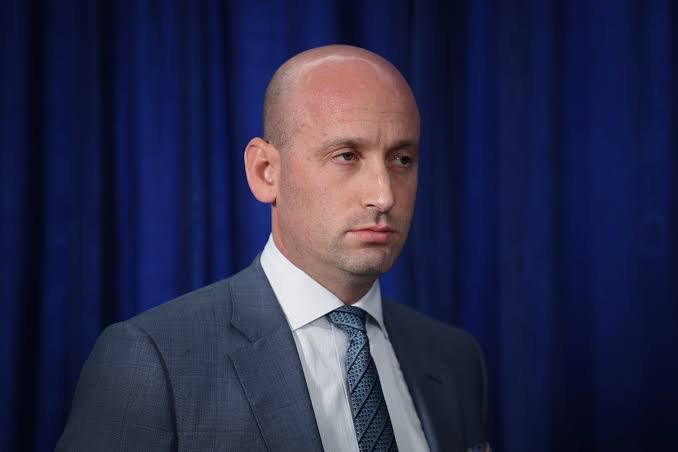
The connection between Stephen Miller Greenland became one of the most talked-about subjects in international politics after the Trump administration renewed its interest in bringing the strategically important Arctic island under American control. Miller, one of Donald Trump’s most influential political advisers, attracted international attention when he publicly defended the idea that Greenland should become part of the United States.
His statements raised important questions about international law, national sovereignty, NATO relations, and the future of Arctic security. While Greenland is geographically important to the United States, it has its own government and a distinct political identity. Understanding Stephen Miller’s position requires looking beyond political headlines and examining the history, strategic interests, and diplomatic disagreements surrounding the island.
Who Is stephen miller greenland
Stephen Miller is an American political strategist and government official who became widely known through his close relationship with Donald Trump. Born on August 23, 1985, in Santa Monica, California, he developed a reputation as a strong conservative voice during his university years.
Miller studied at Duke University, where he became involved in political discussions and conservative student journalism. After graduating, he worked for Republican lawmakers before joining Trump’s 2016 presidential campaign.
During Trump’s first administration, Miller served as a senior adviser and speechwriter. He became particularly influential in shaping immigration policies and several major political initiatives.
When Trump returned to the White House in January 2025, Miller took on the positions of deputy chief of staff for policy and homeland security adviser. His influence extended beyond domestic politics, making him an important voice in discussions about American foreign policy.
Why Is Stephen Miller Connected to Greenland?
The connection between Stephen Miller and Greenland became especially controversial in January 2026, when he discussed the Trump administration’s ambitions during a television interview.
Miller argued that Greenland should become part of the United States because of its importance to American security and the wider NATO alliance. His comments went further than simply discussing military cooperation or economic investment.
He questioned Denmark’s authority over Greenland and suggested that the United States had a stronger strategic interest in controlling the territory.
During his CNN interview with journalist Jake Tapper on January 5, 2026, Miller described American control of Greenland as the administration’s formal position. He also declined to rule out military force when questioned about how such a takeover might happen.
These remarks immediately attracted international criticism because Greenland is not an unclaimed territory. It has an established political system, a population, and a constitutional relationship with Denmark.
Why Does Donald Trump Want Greenland?
Donald Trump’s interest in Greenland is connected to several strategic and economic considerations. The island occupies an important position in the Arctic, a region that has become increasingly significant for international security.
Strategic Military Importance
Greenland is located between North America and Europe, making it important for monitoring activity across the North Atlantic and Arctic regions.
The United States already maintains a military presence at Pituffik Space Base, previously known as Thule Air Base. The installation plays an important role in missile warning, space surveillance, and defense operations.
American policymakers view the Arctic as an increasingly competitive region because Russia and China have expanded their attention toward northern territories and maritime routes.
Natural Resources
Greenland also possesses significant natural resources, including deposits of rare earth elements and other minerals that could become economically valuable.
These materials are important for modern technologies, renewable energy systems, electronics, and defense equipment.
However, developing Greenland’s mineral resources is not straightforward. Its harsh climate, limited infrastructure, environmental considerations, and geographical challenges make large-scale extraction difficult.
Arctic Shipping Routes
Melting Arctic ice has increased attention toward potential shipping routes connecting Europe, Asia, and North America.
Although these routes remain challenging and seasonal, they could influence future international trade and military planning.
For the Trump administration, Greenland’s geographical position makes it an important part of broader Arctic strategy.
Greenland’s Relationship With Denmark
To understand the controversy surrounding Stephen Miller and Greenland, it is important to understand the island’s political status.
Greenland is a self-governing territory within the Kingdom of Denmark. It has its own parliament, known as Inatsisartut, and its own government, Naalakkersuisut.
Greenland gained home rule in 1979 and expanded its self-government through the Self-Government Act of 2009.
The island manages many domestic responsibilities, including education, healthcare, and several areas of economic policy. Denmark continues to handle important matters such as foreign affairs, defense, and constitutional issues, although Greenland has a role in discussions affecting its interests.
Greenland also has the legal right to pursue independence under the framework established by the 2009 agreement.
This political arrangement makes the idea of an American takeover particularly sensitive. Greenland’s future cannot simply be decided by another country’s political leadership.
How Greenland and European Leaders Responded
Miller’s statements created diplomatic concerns across Europe. Denmark strongly defended Greenland’s territorial integrity, while Greenlandic leaders emphasized that the island’s future belongs to its people.
European governments also expressed support for Greenland’s sovereignty.
Several NATO allies stressed that Arctic security should be addressed through cooperation rather than territorial pressure. Their response reflected concern that a dispute between the United States and Denmark could damage an alliance built around collective defense.
The controversy also attracted criticism from American lawmakers. Some Republican politicians questioned the wisdom of threatening a close NATO partner over territory that already has an important American military presence.
The disagreement demonstrated how a political statement about Greenland could quickly become a much larger international issue.
What Makes Greenland Important to NATO?
Greenland is strategically important to NATO because of its location in the North Atlantic and Arctic regions.
The island forms part of the broader security environment connecting North America and Europe. Its geographical position is relevant to military surveillance, air defense, maritime monitoring, and the movement of military forces.
The United States, Denmark, and other NATO members have an interest in maintaining security across these areas.
However, NATO is based on cooperation among sovereign members. A disagreement involving the territorial status of a member’s territory could create serious political complications.
This is why European governments have repeatedly emphasized that Arctic security should respect existing international agreements and the rights of Greenland’s population.
The Latest Greenland Development in 2026
An important development came on September 22, 2026, when the United States, Denmark, and Greenland reached an agreement to update their existing defense arrangements.
The agreement allows the United States to modernize and expand its activities at Pituffik Space Base and establish additional defense areas at Narsarsuaq and Mestersvig, subject to mutually agreed arrangements.
Importantly, the agreement also reaffirms Denmark’s sovereignty and territorial integrity while recognizing the right of Greenland’s people to self-determination.
This development demonstrates that American security interests can be addressed through formal cooperation rather than a change in territorial ownership. It also provides a significant update to the earlier political controversy surrounding Miller’s statements.
What Does the Controversy Mean for Stephen Miller?
The Greenland issue highlights Miller’s influence within the Trump administration. His comments reflected a broader political approach that places American national security and strategic interests at the center of foreign policy discussions.
His position also demonstrated how influential White House advisers can shape international debates without holding a traditional diplomatic office.
As Trump’s administration continues to focus on Arctic security, Miller’s earlier statements remain relevant to understanding the political thinking behind American ambitions in the region.
However, it is important to distinguish between Miller’s public arguments, official agreements, and actual government policy. They are related, but they are not necessarily the same thing.
Conclusion
The story of Stephen Miller and Greenland is about much more than one political interview. It reflects the growing importance of the Arctic, competition over natural resources, military security, and the complicated relationship between national interests and territorial sovereignty.
Miller’s January 2026 comments brought international attention to the Trump administration’s ambitions, while Denmark and Greenland continued to defend their political rights. The September 2026 defense agreement subsequently demonstrated a framework for expanding American military cooperation without transferring Greenland’s sovereignty.
Ultimately, Greenland’s future belongs to its people. Its strategic importance may continue to attract international attention, but any lasting arrangement must respect Greenland’s self-determination, Denmark’s sovereignty, and international law.
Frequently Asked Questions
Why did Stephen Miller talk about Greenland?
Stephen Miller discussed Greenland because of its strategic importance to American national security and the Trump administration’s ambition to bring the island under U.S. control.
What did Stephen Miller say about Greenland in 2026?
In a January 5, 2026, CNN interview, Miller argued that Greenland should be part of the United States and questioned Denmark’s authority over the territory.
Does Greenland belong to the United States?
No. Greenland is a self-governing territory within the Kingdom of Denmark. It has its own elected parliament and government.
Why does Donald Trump want Greenland?
Trump has highlighted Greenland’s strategic Arctic location, military importance, natural resources, and potential role in protecting American security interests.
Can the United States legally take Greenland?
The United States cannot simply take Greenland without regard for sovereignty and international law. Greenland’s political future must respect the rights of its people and the existing legal framework.
What happened between the United States and Greenland in September 2026?
The United States, Denmark, and Greenland signed an agreement on September 22, 2026, to expand and modernize defense cooperation. The agreement reaffirmed Danish sovereignty and Greenlandic self-determination while providing for additional American military facilities.