


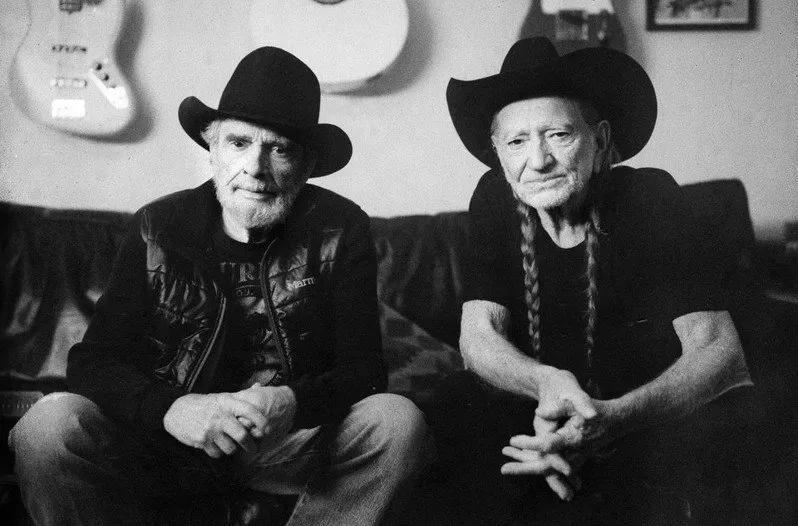
Old country music has a special way of making the past feel close. From heartfelt ballads about lost love to songs about family, hard work, small towns, and life on the road, classic country created a musical language that continues to influence artists today. Its simple arrangements and honest storytelling gave generations of listeners songs that felt personal, memorable, and real.
Unlike many modern productions built around layered sounds and digital effects, traditional country often placed the singer, songwriter, melody, and lyrics at the center. That direct approach helped turn performers such as Hank Williams, Patsy Cline, Johnny Cash, George Jones, Loretta Lynn, and Willie Nelson into enduring figures in American music.
What Makes Old Country Music So Special?
The appeal of classic country is closely connected to its storytelling tradition. Many of its most memorable songs feel like short stories set to music. They can describe heartbreak, marriage, loneliness, family struggles, working life, faith, friendship, or the excitement of leaving home.
The emotional honesty is particularly important. A great country singer did not necessarily need a complicated vocal performance to connect with an audience. A distinctive voice, a strong melody, and believable lyrics could be enough.
That simplicity is one reason old country music remains accessible to new listeners. Even when the recordings are decades old, the emotions behind them are familiar. People still experience love, disappointment, nostalgia, ambition, regret, and hope.
The Early Roots of Country Music
Country music developed from several musical traditions that came together in the rural American South and other parts of the United States. Appalachian folk traditions, blues, gospel, string-band music, and traditional ballad singing all contributed to its development.
Radio played an enormous role in spreading the genre during the twentieth century. Performers who might once have been known only within a small community could suddenly reach listeners across entire regions.
The growth of the recording industry also helped establish recognizable country styles. Honky-tonk, Western swing, bluegrass, and Nashville-oriented country each developed their own characteristics while sharing an emphasis on melody, storytelling, and emotional performance.
Hank Williams and the Rise of the Honky-Tonk Sound
Hank Williams remains one of the most influential figures in country music history. Although his career was tragically short, his songwriting left a lasting impression on the genre.
His songs often explored loneliness, troubled relationships, faith, and personal disappointment. What made his work powerful was its ability to communicate complicated emotions using straightforward language.
Williams helped establish the emotional vocabulary of honky-tonk country. His influence can still be heard in singers and songwriters who value direct lyrics and expressive performances.
Patsy Cline Changed the Sound of Country
Patsy Cline became one of the defining voices of classic country music. Her recordings demonstrated that country singing could be both emotionally intimate and dramatically polished.
Her powerful interpretation of songs such as “Crazy” helped expand the possibilities of country vocals. Cline’s phrasing, control, and distinctive tone allowed her music to reach audiences beyond the traditional country market.
Her career was also remarkably brief, but her influence has lasted for generations. She remains an important reference point for singers interested in emotional delivery and vocal interpretation.
Johnny Cash and the Power of a Distinctive Voice
Johnny Cash brought a different kind of authority to country music. His deep voice and rhythmic delivery immediately distinguished him from many of his contemporaries.
Cash’s music frequently explored themes of morality, freedom, hardship, redemption, and life outside conventional society. His songs could be simple in arrangement while carrying considerable emotional and cultural weight.
What makes Cash especially important is the breadth of his audience. He became a country legend without remaining confined to one musical category. His work crossed into folk, rock, gospel, and popular music while maintaining a strong connection to country traditions.
Loretta Lynn and Authentic Storytelling
Loretta Lynn demonstrated how country music could provide a powerful platform for personal and social storytelling. Drawing heavily from her own experiences, she wrote about marriage, motherhood, working-class life, relationships, and the challenges faced by women.
Her songwriting style was conversational rather than overly complicated. That quality made her songs feel as though someone was telling a story directly to the listener.
Lynn’s career also showed how country music could change while retaining its traditional identity. She became an important figure not only because of her recordings but also because of the way she expanded the subjects country artists could openly address.
George Jones and Emotional Country Singing
George Jones earned a reputation for extraordinary emotional depth. His voice could sound vulnerable, wounded, or intensely dramatic, making him one of the most respected singers in traditional country.
His recordings are often associated with heartbreak and complicated relationships, but his influence extends beyond individual songs. Jones demonstrated how vocal phrasing could communicate meaning even before listeners fully processed the lyrics.
For many musicians, his work became a masterclass in traditional country singing. His ability to make a performance sound spontaneous and deeply personal helped define the classic country style.
The Importance of Nashville
Nashville became a major center of the country music industry during the twentieth century. The city developed recording studios, publishing companies, radio programs, and professional networks that helped shape the genre.
The so-called Nashville Sound introduced smoother arrangements and broader production techniques. While some traditionalists worried that country was becoming too polished, the approach helped bring country recordings to a larger mainstream audience.
This period demonstrates that country music has never been completely static. Even the most traditional eras contained experimentation, changes in production, and debates about what should count as authentic country.
Why Old Country Music Still Sounds Relevant
One of the strongest reasons people continue discovering classic country is its emotional clarity. Many older recordings do not require extensive cultural knowledge to understand. A song about missing someone, working hard, losing love, or wanting to return home can speak to listeners in almost any generation.
Another important factor is musicianship. Traditional country frequently highlighted acoustic guitar, steel guitar, fiddle, piano, upright bass, and other instruments that created a recognizable sonic identity.
Modern musicians also continue to revisit these sounds. Americana, roots country, traditional country revival movements, and contemporary singer-songwriter music frequently borrow ideas from earlier generations.
How to Start Listening to Classic Country
For someone new to the genre, the best approach is to explore different eras and styles rather than assuming every older recording sounds the same.
Start with influential vocalists and songwriters from the 1940s through the 1970s. Listen for differences between honky-tonk, Nashville country, outlaw country, country-pop, and traditional ballad styles.
Pay attention to the lyrics as much as the instruments. In many classic recordings, the story develops gradually, with every verse adding another piece of information. This makes the songs especially rewarding when listened to closely.
It can also be useful to compare original recordings with later interpretations. When a modern artist performs an older country song, the differences in arrangement and vocal style can reveal just how influential the original composition remains.
The Lasting Legacy of Old Country Music
The influence of traditional country reaches far beyond country radio. Rock, folk, Americana, bluegrass, Southern music, and modern singer-songwriter traditions have all drawn inspiration from earlier country artists.
Perhaps the greatest legacy is the belief that a song does not need complicated language to carry a powerful message. A few carefully chosen words, supported by a memorable melody and an honest performance, can remain meaningful for decades.
That principle explains why recordings from long ago can still appear on playlists, inspire covers, and introduce younger audiences to artists they never had the opportunity to see perform live.
Frequently Asked Questions
What is considered old country music?
The phrase generally refers to earlier generations of country music, particularly recordings from the early twentieth century through the 1970s and sometimes the 1980s. The exact definition varies because country music continued evolving throughout these decades.
Who are some of the most important old country artists?
Hank Williams, Patsy Cline, Johnny Cash, George Jones, Loretta Lynn, Willie Nelson, Merle Haggard, Buck Owens, Tammy Wynette, and many others played major roles in shaping traditional country music.
Why is classic country music still popular?
Its storytelling, memorable melodies, distinctive instruments, and emotional honesty continue to connect with listeners. The subjects explored in many songs remain universal, allowing the music to cross generational boundaries.
Is old country music different from modern country?
Yes, although there is considerable overlap. Older recordings often relied more heavily on traditional instruments and straightforward arrangements, while modern country can incorporate pop, rock, electronic production, and other contemporary influences.
What should beginners listen to first?
A good starting point is to explore several major artists from different periods rather than focusing on one performer. Hearing contrasting voices and styles makes it easier to understand how country music developed over time.
Conclusion
Old country music remains powerful because it captures ordinary human experiences with unusual honesty. Its greatest artists transformed stories about love, family, loneliness, work, loss, and hope into songs that could travel far beyond their original time and place.
The genre has changed considerably over the decades, but its traditional foundations continue to influence musicians and listeners. From Hank Williams and Patsy Cline to Johnny Cash, Loretta Lynn, and George Jones, the artists of country music’s earlier generations created a legacy that still feels alive.
For anyone willing to listen beyond the surface, old country music offers more than nostalgia. It offers unforgettable voices, carefully crafted stories, remarkable musicianship, and a direct emotional connection that helps explain why these songs continue to matter.