


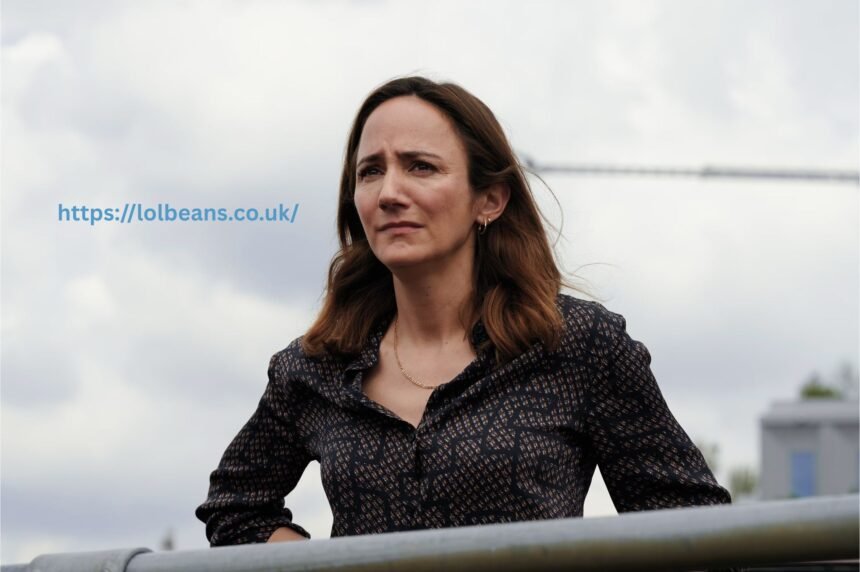
Lydia Leonard has carved a remarkable niche for herself in the world of British film, television, and theatre. With her dynamic acting range, sharp emotional intelligence, and the rare ability to disappear entirely into her characters, Leonard has risen to become one of the most respected actresses of her generation. Whether commanding the stage in period dramas or captivating audiences on screen with subtle intensity, her performances have left an enduring mark on the entertainment landscape.
This article takes an in-depth look at the top performances that transformed Lydia Leonard into a true British screen icon, examining how her versatility, choice of roles, and artistic craft have shaped her enduring reputation.
Early Career and Breakthrough
Lydia Leonard’s journey began with a deep commitment to performance from an early age. After honing her craft at the Bristol Old Vic Theatre School, she quickly gained attention for her adaptability and emotional depth. Early stage work and smaller screen roles showcased her precision and dedication, but it was clear even then that Leonard possessed the qualities of a major talent in the making.
Her first breakthrough came through television dramas and period pieces, where she displayed the poise and intellect of a performer well beyond her years. By choosing complex, layered characters instead of mainstream fame, Leonard established herself as an actress who valued substance over spectacle a choice that would define her entire career.
Anne Boleyn in Wolf Hall (2015)
Lydia Leonard’s portrayal of Anne Boleyn in the BBC adaptation of Wolf Hall remains one of her most iconic performances. Starring alongside Mark Rylance and Damian Lewis, Leonard brought to life one of history’s most enigmatic figures with rare intelligence and emotional nuance.
Her Anne was neither the seductress nor the victim often portrayed in popular culture. Instead, Leonard captured the complex political and emotional dimensions of a woman navigating the treacherous Tudor court. She embodied ambition, charm, wit, and vulnerability all wrapped in a performance of quiet power. Critics and audiences alike praised her balance of strength and fragility, making her portrayal one of the most definitive of the character in modern British television.
The performance also underscored Leonard’s mastery of historical drama a genre that demands linguistic precision, physical poise, and emotional restraint. Wolf Hall elevated her profile internationally and solidified her reputation as one of the UK’s most refined screen performers.
Desiree Harper in Ten Percent (2022)
When Ten Percent, the British adaptation of the French hit Call My Agent!, debuted, Lydia Leonard’s turn as Desiree Harper was a revelation. The comedy-drama offered a lighter, contemporary platform for Leonard to showcase her versatility and impeccable comedic timing.
As Desiree, a fiercely capable yet emotionally messy talent agent, Leonard exuded warmth, wit, and chaos in equal measure. Her performance stood out for its realism she managed to make Desiree relatable while maintaining the polished sophistication expected from a character in London’s elite talent world. Through humor and humanity, Leonard breathed new life into a genre often dominated by clichés.
Her presence on Ten Percent marked a refreshing turn in her career, proving that she could move seamlessly from historical gravitas to modern-day satire without losing her depth or credibility. It was another example of how Lydia Leonard consistently challenges typecasting and redefines what it means to be a British screen actor.
Margaret Thatcher in Handbagged Stage and TV Adaptation
One of Leonard’s most defining theatrical roles and one that further cemented her icon status was her portrayal of a young Margaret Thatcher in Moira Buffini’s Handbagged. The play, a witty and politically charged exploration of the relationship between the Queen and the Iron Lady, demanded both historical accuracy and bold creative interpretation.
Leonard’s performance was a masterclass in transformation. Without resorting to imitation, she embodied Thatcher’s sharp intellect, conviction, and evolving sense of power. The role showcased Leonard’s command over tone and rhythm her ability to oscillate between humor and gravity made her Thatcher not just believable, but utterly magnetic.
The acclaim surrounding Handbagged led to a West End run and even an Olivier Award nomination, firmly positioning Lydia Leonard as one of the most compelling stage actresses of her generation. It also demonstrated how her stage work directly influences her screen success she carries the discipline, nuance, and emotional honesty of live theatre into every on-screen performance.
Hannah in Apple Tree Yard (2017)
In the BBC psychological thriller Apple Tree Yard, Leonard played Hannah, a supporting yet pivotal role that added emotional texture to the tense, morally complex narrative. The series delved into themes of desire, secrecy, and power, and Leonard’s understated yet impactful performance captured the audience’s attention.
Her portrayal highlighted her ability to communicate volumes through silence a subtle glance, a pause, or a flicker of hesitation conveyed emotional turmoil more effectively than any dialogue. This kind of minimalist, controlled acting is one of Leonard’s trademarks. It’s what makes her characters feel authentic and lived-in, even in smaller roles.
Through Apple Tree Yard, Leonard reinforced her reputation as a consummate ensemble performer one who enhances every project she’s part of, regardless of screen time.
Natalie in The Fifth Estate (2013)
Transitioning to international cinema, Lydia Leonard appeared in the political thriller The Fifth Estate, starring Benedict Cumberbatch as Julian Assange. Playing Natalie, Leonard brought clarity and emotional intelligence to a story centered around digital transparency and moral conflict.
While The Fifth Estate divided critics, Leonard’s performance was widely appreciated for its quiet intensity and precision. It showcased her ability to adapt to big-budget productions while maintaining the authenticity that defines her artistry. Her scenes were imbued with the same grounded realism that British audiences had come to expect from her a mark of true consistency and professionalism.
This role also introduced her to global audiences, reinforcing her position as a versatile actress capable of holding her own alongside Hollywood heavyweights.
Juliet in Riviera (2017–2020)
In the glamorous, high-stakes world of Riviera, Lydia Leonard’s portrayal of Juliet Stevenson brought a compelling balance of sophistication and emotional depth to the series. Amidst the luxury and deceit that defined the show’s tone, Leonard delivered a grounded performance that stood out for its authenticity.
Juliet was a character of contradictions outwardly composed but internally conflicted and Leonard’s ability to convey this complexity made her one of the emotional anchors of the series. Her chemistry with the ensemble cast and her skill in navigating morally ambiguous storylines further demonstrated her range.
Through Riviera, Leonard proved she could command attention even in glossy, melodramatic environments, reaffirming her versatility as an actress who elevates every genre she touches.
Stage Excellence Hysteria and The House of Bernarda Alba
Before becoming a television mainstay, Lydia Leonard made a name for herself on stage with roles that tested the limits of psychological and emotional expression. Her work in Hysteria and The House of Bernarda Alba received critical praise for its intensity and control.
These performances reflected Leonard’s profound understanding of theatre as both craft and communication. She used voice, posture, and energy to embody complex female experiences, making her stage portrayals timeless studies in human emotion. Many critics attribute her screen precision to the rigorous training and discipline honed through years of live performance.
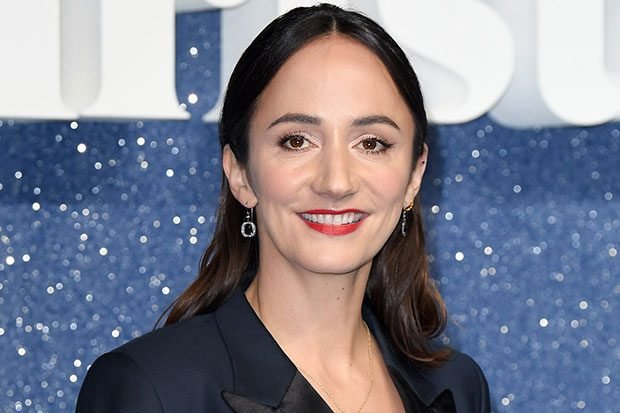
Why Lydia Leonard Is a True British Screen Icon
Lydia Leonard’s rise to prominence isn’t just the result of talent it’s the outcome of intelligent career choices, artistic risk-taking, and an unwavering dedication to craft. What sets her apart is her consistency across mediums: film, television, and theatre. She doesn’t chase trends; she creates them through the integrity of her work.
Her performances are marked by:
- Authenticity – Every gesture and word feels lived-in, never performative.
- Versatility – From historical queens to modern agents, Leonard adapts seamlessly.
- Subtlety – She often communicates more through silence than speech.
- Courage – She embraces complex, morally ambiguous roles that challenge viewers.
These qualities have not only earned her critical respect but have also built a loyal audience that values intelligent, emotionally honest storytelling.
The Legacy and Future of Lydia Leonard
As of now, Lydia Leonard stands as a beacon of British acting excellence a performer whose legacy continues to grow. Her work inspires a new generation of actors to value precision, emotional truth, and integrity over fame. Each new project she takes on becomes a masterclass in restrained brilliance and authenticity.
Whether on stage at the National Theatre, leading a BBC drama, or appearing in international productions, Leonard represents the very best of British performance tradition a blend of intellect, sensitivity, and fearless artistry.