


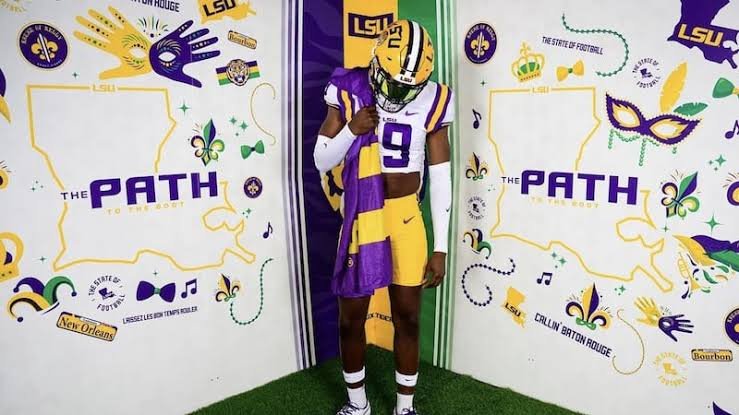
LSU football recruiting continues to attract national attention as the Tigers work to build a competitive roster capable of challenging the best programs in college football. With a new era under head coach Lane Kiffin, expectations in Baton Rouge remain high. The program is looking to attract talented high school players, develop future stars, and maintain its reputation as one of the most respected destinations in college football.
Recruiting has always played an important role in LSU’s success. The university benefits from Louisiana’s outstanding football culture, a passionate fan base, and a history of producing talented professional players. However, competing in the modern Southeastern Conference requires more than relying on local prospects. LSU must consistently compete with major programs across the country for highly rated athletes.
The 2027 recruiting cycle represents an important opportunity for Kiffin and his coaching staff to establish their long-term vision. Several promising prospects have already shown interest in the Tigers, giving supporters reasons to follow the program’s recruiting developments closely.
Lane Kiffin’s Recruiting Vision
Lane Kiffin’s arrival brought a new chapter to LSU football. Known for his offensive creativity, recruiting experience, and ability to attract talented players, Kiffin has an opportunity to strengthen the Tigers’ position among college football’s leading programs.
His recruiting approach focuses on identifying athletes who can contribute immediately while also developing into important players over several seasons. This requires evaluating athletic ability, football intelligence, character, and the potential to improve within a competitive college environment.
LSU also offers several advantages to prospective players. The program has a strong football tradition, passionate supporters, excellent facilities, and regular opportunities to compete against nationally recognized opponents.
Kiffin’s previous experience in college football recruiting is another valuable factor. Building relationships with high school coaches, families, and talented prospects can make a significant difference when several major programs compete for the same player.
The 2027 Recruiting Class
The 2027 class is an important part of LSU’s future roster planning. Recruiting rankings published in November 2026 placed the Tigers at No. 10 nationally in the Rivals Industry Team Recruiting Rankings, with 15 reported commitments in the latest available SEC class breakdown.
The group includes one five-star prospect, 11 four-star recruits, and three three-star players. These numbers demonstrate the potential quality of the class, although rankings and commitment totals can change as the recruiting cycle continues.
Seven of the reported commitments come from Louisiana, highlighting the importance of maintaining strong relationships within the state.
Ahmad Hudson stands out as one of the most notable names in the group. The highly regarded tight end from Ruston, Louisiana, is considered an important addition to the Tigers’ future offense.
Other promising commitments include quarterback Peyton Houston, running backs Tre Segarra and Trey Martin, and defensive prospects Chris Whitehead and K.J. Green.
These players represent different areas of the roster that LSU hopes to strengthen as it prepares for upcoming seasons.
Ahmad Hudson Leads the Class
Ahmad Hudson is one of the most exciting prospects associated with LSU’s 2027 recruiting efforts. The Ruston High School standout has attracted considerable attention because of his combination of size, athletic ability, and potential as a tight end.
His commitment is particularly significant because talented tight ends can provide offensive flexibility. They can contribute as blockers, create mismatches against linebackers, and become valuable receiving targets in important situations.
Hudson also has an impressive basketball background, making his athletic profile even more interesting. His ability to compete in multiple sports demonstrates the versatility that college coaches often appreciate.
For LSU, securing a highly rated player from Louisiana also carries regional importance. Keeping outstanding homegrown talent within the state helps strengthen the relationship between the university and local football communities.
Offensive Talent and Quarterback Development
A successful college football program needs a reliable offensive foundation. Quarterback development, running game production, and receiver depth are essential elements of a competitive team.
Peyton Houston is an important name in LSU’s 2027 recruiting class. The Louisiana quarterback has attracted attention for his potential to become a future leader of the offense.
Quarterback recruiting involves much more than identifying players with strong throwing arms. Coaches evaluate decision-making, accuracy, mobility, leadership, and the ability to understand complicated offensive systems.
Houston’s development will be worth following as he progresses toward the college level.
The running back commitments also offer encouraging possibilities. Tre Segarra and Trey Martin bring different opportunities for building a productive rushing attack. Having multiple talented running backs allows coaches to create competition and develop different offensive combinations.
LSU will also continue looking for wide receivers capable of stretching defenses and creating opportunities in the passing game.
Defensive Recruiting Remains Important
Although offensive recruits frequently receive considerable attention, defensive talent remains equally important to LSU’s long-term ambitions.
The Tigers have a proud history of producing outstanding defensive players, particularly at defensive end, linebacker, and cornerback. Maintaining that tradition requires consistent investment in athletic prospects who can handle the physical demands of SEC football.
Chris Whitehead and K.J. Green are two notable defensive commitments in the 2027 group. Both are edge-rushing prospects who could eventually contribute to LSU’s pass-rushing development.
Edge defenders play an important role in modern college football. Their responsibilities include pressuring opposing quarterbacks, stopping outside running plays, and forcing offenses into difficult situations.
The coaching staff must also continue evaluating defensive backs and linebackers. Strong coverage skills, tackling ability, and communication are essential against the talented offenses found throughout the SEC.
Louisiana’s Importance to LSU
Louisiana remains one of the most important recruiting territories for the Tigers.
High school football has a deep cultural presence throughout the state. Communities regularly produce athletes with the physical ability and competitive experience needed to succeed at major college programs.
LSU benefits from its location because local prospects often grow up watching the Tigers. Playing for their home-state university can represent a meaningful opportunity for athletes who want to compete in front of familiar supporters.
However, the competition for Louisiana talent is intense. Programs from Texas, Alabama, Georgia, and other states regularly pursue the same highly rated prospects.
The Tigers therefore need to maintain strong connections with high school coaches and families. Consistent communication and a clear development plan can help LSU remain attractive to talented players.
Competition in the SEC
Recruiting in the Southeastern Conference is particularly challenging because several member programs consistently attract nationally recognized prospects.
Schools such as Alabama, Georgia, Texas, Florida, and Texas A&M compete for many of the same athletes as LSU.
This competition makes recruiting rankings an important part of the conversation, but rankings should not be treated as a complete measurement of future success.
A highly rated prospect still needs proper coaching, physical development, and opportunities to earn playing time. Likewise, players with lower recruiting rankings can become valuable contributors when they receive the right guidance.
LSU’s challenge is to identify athletes who fit the program’s system and can develop into dependable players.
The Transfer Portal and Modern Recruiting
College football recruiting has changed significantly in recent years. Traditional high school recruiting remains essential, but the transfer portal and name, image, and likeness opportunities have introduced additional considerations.
Programs must now balance incoming high school prospects with experienced college players who may be available through the transfer portal.
For LSU, this means roster management requires careful planning. Coaches must consider immediate needs, future depth, player development, and available scholarship opportunities.
The transfer portal can help address weaknesses, but relying too heavily on experienced transfers can create challenges for long-term roster stability.
A balanced approach gives younger athletes opportunities to develop while allowing the coaching staff to address specific positions when necessary.
What Fans Should Watch Next
The coming months will be important for LSU’s recruiting future. Verbal commitments can change, additional prospects may join the class, and recruiting rankings will continue to move as services update their evaluations.
Fans should pay particular attention to official visits, commitment announcements, and the decisions of highly ranked uncommitted prospects.
Another important factor will be how the coaching staff communicates its vision. Players want to understand their potential role, development opportunities, and the direction of the program.
The Tigers also need to maintain momentum in Louisiana while expanding their recruiting reach into other football-rich states.
Ultimately, the quality of a recruiting class becomes clearer when players arrive on campus and begin competing. Their development, performance, and contribution to the team matter more than early rankings alone.
Conclusion
LSU football recruiting is entering an important period as Lane Kiffin works to establish a strong foundation for the program’s future. The 2027 class already features several promising prospects, including Ahmad Hudson, Peyton Houston, Tre Segarra, Trey Martin, Chris Whitehead, and K.J. Green.
The Tigers have important advantages, including a rich football tradition, strong local talent, and a passionate fan base. However, competing in the SEC requires continuous improvement and the ability to attract outstanding players from across the country.
For LSU supporters, the recruiting process offers an early look at the athletes who could eventually shape the team’s identity. The commitments are encouraging, but player development and successful roster management will ultimately determine how much this class contributes to the Tigers’ ambitions.
Frequently Asked Questions
Who is the head coach of LSU football?
Lane Kiffin is the head coach of LSU football. He took charge of the program in November 2025 and leads its recruiting and team-building efforts.
What recruiting class is LSU currently building?
LSU is building its 2027 high school recruiting class. The group includes commitments from prospects across several offensive and defensive positions.
Who is LSU’s biggest 2027 recruiting commitment?
Tight end Ahmad Hudson is among the most highly regarded players in the class. The Ruston, Louisiana, prospect is a major addition to the Tigers’ future offense.
How important is Louisiana to LSU recruiting?
Louisiana is extremely important because it consistently produces talented high school football players. LSU works to maintain strong relationships with local athletes and coaches while competing nationally for additional prospects.
Can LSU improve its recruiting rankings?
Yes. Recruiting rankings can change as new prospects commit, existing commitments change, and recruiting services update their evaluations. Additional high-quality commitments could improve LSU’s position before the class is finalized.
When will the 2027 recruiting class become official?
The 2027 class will become official as prospects sign their national letters of intent during the applicable signing periods. Verbal commitments are not the same as officially signed agreements.