


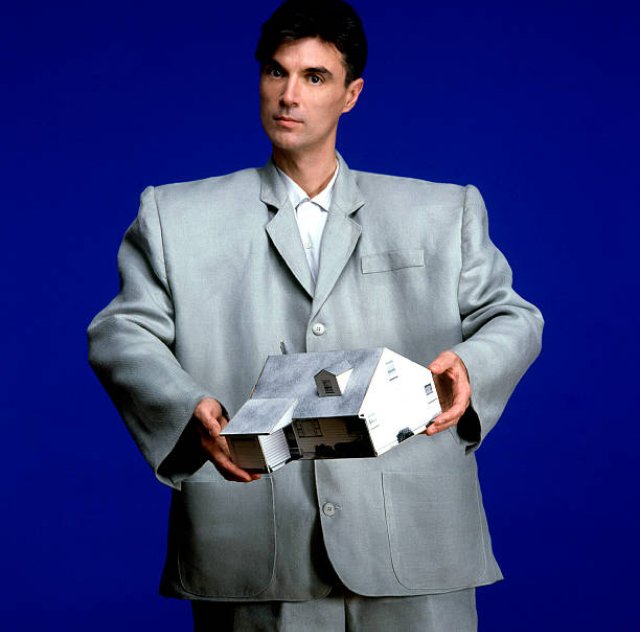
David Byrne, the mastermind behind the influential band Talking Heads, is just as famous for his unique style as he is for his innovative music. One of his most iconic and memorable fashion choices is his “Big Suit.” A piece of clothing that has become synonymous with Byrne’s bold stage persona, the Big Suit is more than just an oversized jacket; it’s a symbol of the avant-garde spirit that characterized the post-punk era.
In this blog post, we’ll dive into the history, symbolism, and cultural impact of David Byrne’s Big Suit, exploring how this singular fashion choice became a defining element of his career and the broader music scene of the late 20th century.
The Origins of David Byrne’s Big Suit
The Big Suit was first introduced during Talking Heads’ Stop Making Sense concert film and live performance, which premiered in 1984. Directed by Jonathan Demme, Stop Making Sense is considered one of the greatest concert films of all time. The Big Suit made its debut during the opening track, “Psycho Killer,” and its striking, exaggerated proportions immediately captured the audience’s attention.
Byrne himself has explained that the Big Suit was partly a comedic gesture, but it also represented something deeper. The suit was intentionally oversized, designed to be nearly comically large, with exaggerated shoulders and a boxy frame. It was a stark contrast to the tailored, form-fitting suits typically worn by performers at the time. The suit seemed to play with ideas of control, excess, and alienation—key themes in both Byrne’s music and the era’s cultural climate.
Byrne’s fashion choice was a natural extension of his creative personality—eccentric, cerebral, and boldly non-conformist. It was not just a clothing item but a way for him to push against the boundaries of traditional stage attire and to critique the expectations placed on rock stars.
Symbolism of the Big Suit: Power, Alienation, and Identity
The Big Suit did not just exist as a quirky fashion statement—it carried a significant amount of symbolic weight. The suit’s exaggerated form was a deliberate challenge to traditional norms of masculinity, style, and even human proportions. In many ways, the Big Suit can be seen as a critique of the power structures that dominated both the music industry and society at large during the 1980s.
The suit’s massive, overbearing shoulders gave it a sense of authority and power, but the bulkiness also made Byrne seem somewhat vulnerable, as if he were dwarfed by his own clothing. This sense of imbalance and alienation mirrored the themes in Talking Heads’ music, which often explored the tension between the individual and societal expectations. In fact, the suit became a symbol of the growing sense of disconnection that was prevalent in the post-punk, new wave, and alternative music scenes.
In Byrne’s mind, the Big Suit also played with ideas of identity. As an artist who often explored the concept of self-perception versus external perception, the suit was an embodiment of the mask that performers wear in the public eye. It was an exaggerated costume, but it was also a reflection of the way people tend to project identities onto others.
The Big Suit and Its Role in Stop Making Sense
The Stop Making Sense concert is one of the most iconic performances in rock music history, and the Big Suit was an integral part of that legacy. The film not only showcased the brilliance of Talking Heads as a live band but also captured the eccentric energy of Byrne as a performer.
In the performance, Byrne’s suit is an almost surreal piece of theater. His movements are deliberate and exaggerated, yet they seem to contradict the stiff, oversized clothing he is wearing. The suit seems to inhibit his natural movements at first, but as the performance progresses, Byrne adapts to the constraints of the suit, using it as a kind of playful obstacle that adds an element of absurdity to his performance. This clash between Byrne’s fluid, energetic performance and the cumbersome nature of the suit created a unique, almost theatrical experience for the audience.
The Big Suit also reflected the themes of Stop Making Sense, which was about deconstructing and redefining the conventional roles in music and performance. Byrne’s attire, alongside the band’s minimalist yet innovative musical arrangements, helped elevate the performance to a level of artistic expression rarely seen in mainstream rock shows at the time.
The Cultural Impact of David Byrne’s Big Suit
The Big Suit quickly became one of the most talked-about fashion statements in music history, cementing David Byrne’s reputation as a style icon. It resonated deeply with the cultural zeitgeist of the 1980s, a time marked by the rise of alternative culture, the questioning of traditional authority, and the breakdown of previous societal norms.
Byrne’s Big Suit was often discussed as a critique of corporate culture, which in the 1980s was characterized by its own rigid conformity and uniformity. The Big Suit’s outsized proportions were a visual commentary on the ways in which the corporate world imposes limitations on individual identity, forcing people into predefined roles. The suit was a symbol of resistance—Byrne was actively rejecting the polished, controlled image that rock stars were typically expected to maintain.
Moreover, the Big Suit influenced many other musicians, designers, and artists in the years that followed. The suit’s avant-garde nature and its role in the Stop Making Sense performance made it an enduring symbol of artistic rebellion. Artists like Björk, who was influenced by Byrne’s performance style, would later adopt similar, exaggerated fashion choices to convey their own unique artistic expressions.
In fashion, the oversized, power-suit aesthetic that Byrne popularized would eventually inspire designers in the 1990s and beyond. The Big Suit can be seen as a precursor to the bold, oversized fashion that dominated the runway in the following decades.
David Byrne and the Legacy of the Big Suit
Although the Big Suit has become forever associated with David Byrne and Talking Heads, its influence extends far beyond the boundaries of music. The suit has entered popular culture as a symbol of individuality, artistic rebellion, and the power of self-expression.
David Byrne’s decision to wear the Big Suit was more than just a momentary fashion trend—it was a statement that encapsulated the ethos of the post-punk, new wave era. It symbolized an artist’s rejection of the conventional and his desire to break free from societal expectations. The suit remains one of the most enduring symbols of Byrne’s creative genius, reflecting his desire to challenge norms, provoke thought, and redefine what it means to be a performer.
Conclusion
David Byrne’s Big Suit is much more than a quirky piece of clothing; it’s a visual representation of the themes of identity, power, and alienation that permeated the 1980s cultural landscape. Through his innovative use of fashion, Byrne demonstrated that clothing could be as much a part of a performance as the music itself, challenging the boundaries between art and entertainment. The Big Suit continues to be a symbol of artistic expression, rebellion, and individuality, ensuring its place as one of the most iconic fashion moments in music history.
FAQ
1. Why did David Byrne wear the Big Suit?
David Byrne wore the Big Suit as a deliberate commentary on power structures, identity, and alienation. The oversized suit symbolized societal norms and corporate conformity, which Byrne sought to critique through his music and performance.
2. What does the Big Suit represent?
The Big Suit represents a critique of traditional masculinity, societal expectations, and corporate culture. Its exaggerated size conveys both power and vulnerability, symbolizing the tension between the individual and societal norms.
3. When did David Byrne first wear the Big Suit?
David Byrne first wore the Big Suit during the Stop Making Sense live concert film and performance in 1984. It became one of the most iconic aspects of the concert and Byrne’s stage persona.
4. How did the Big Suit impact fashion?
The Big Suit became a cultural and fashion statement, influencing musicians, artists, and designers in the years that followed. Its oversized, exaggerated form helped pave the way for the power suit aesthetic that would dominate fashion in the 1990s.
5. Is the Big Suit still relevant today?
Yes, the Big Suit remains a symbol of artistic rebellion and self-expression. It continues to influence fashion and music, and David Byrne’s legacy as a fashion icon endures.