


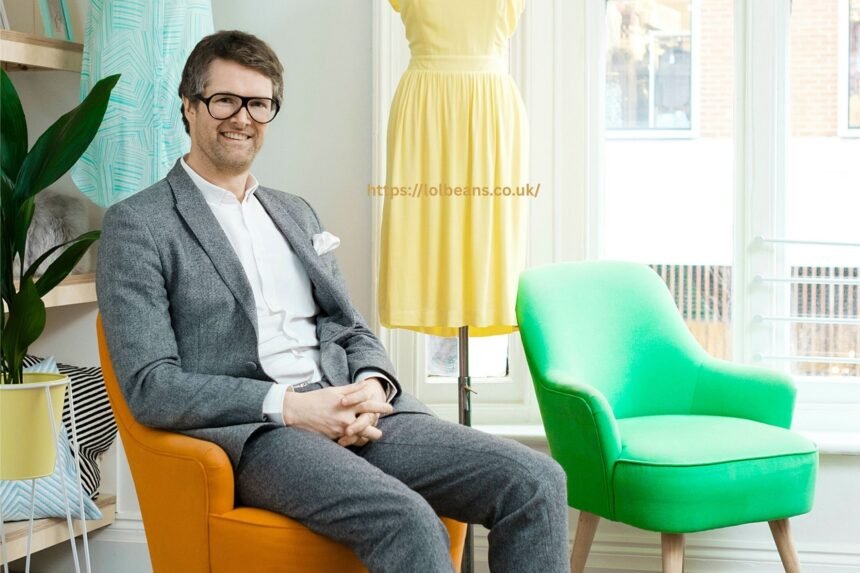
When you think of British high street charm with a distinct flair for lifestyle, one name that has become synonymous with creativity, entrepreneurship, and resilience is Oliver Tress the founder of Oliver Bonas. His story isn’t just about selling pretty things — it’s a tale of passion, grit, and an unwavering belief in doing things differently. From humble beginnings in a small shop in London to creating one of the UK’s most beloved independent lifestyle brands, Oliver’s journey is as stylish as the products he curates.
The Early Days A Young Man with a Big Idea
Oliver Tress didn’t come from a fashion dynasty or inherit a retail empire. He was just a 25-year-old with a head full of ideas and a bit of savings when he decided to open his first shop in 1993. Back then, Oliver Bonas wasn’t a brand — it was a name he made up, inspired by his then-girlfriend Anna Bonas. Yes, that Bonas family — the same one connected to royal circles.
The first shop opened on Fulham Road in west London. It was a modest place, and Tress ran it himself — choosing products, serving customers, doing stock checks. He didn’t have investors or a slick business plan. What he had was a strong sense of aesthetic, a love for global design, and an instinct for what people would love to have in their homes and lives.
At that time, there wasn’t a go-to shop for beautifully curated homeware, gifts, and fashion that wasn’t either painfully expensive or painfully generic. Oliver saw a gap — and he stepped into it with both feet.
Building a Brand Before Instagram Existed
This was pre-social media, before influencers were a thing. Oliver had to rely on real-world experience: what people picked up, what they commented on, what sold out. The brand grew organically — one customer at a time.
He started traveling frequently, especially to Asia, to discover textiles, ceramics, and designs that were unique and would catch people’s eyes. Slowly, Oliver Bonas became known as the place you go for that perfect gift, that dress no one else is wearing, or the mug that somehow just feels like you.
Oliver’s strength has always been his curation. His shops were never cluttered. They were filled with colour, textures, and warmth. He didn’t follow trends; he trusted his gut. And people loved him for it.
The Turning Point Growth & Challenges
The early 2000s were a sweet spot. Oliver Bonas expanded gradually, with stores popping up in key urban areas like Richmond, Bristol, and Manchester. Unlike other high street retailers chasing numbers, Oliver was very intentional about each new location.
But no business story is complete without a few storms. The 2008 financial crash hit retail hard. People tightened their belts, and boutique shops struggled. Oliver Bonas didn’t escape untouched, but they survived — mainly because their audience felt loyal, and the brand wasn’t overextended.
The real test came during the COVID-19 pandemic. With stores forced to shut, foot traffic gone, and the future uncertain, Oliver had to pivot — fast. The company doubled down on its online presence, improved its e-commerce capabilities, and leaned into digital storytelling. Oliver himself appeared in videos, connecting directly with customers, sharing the struggles, and reinforcing the human side of the brand.
That honesty resonated. Many small businesses faded during the pandemic, but Oliver Bonas held on, proving that heart-led leadership still has a place in this world.
A Brand With a Soul
What makes Oliver Bonas stand out isn’t just the quirky cards or jewel-toned velvet chairs. It’s the feeling you get when you walk into the store — warm, inviting, and a little whimsical.
Under Oliver’s leadership, the company has become more than a retailer. It champions design, diversity, and kindness. They’ve made commitments to sustainability — reducing plastic packaging, improving supply chain ethics, and introducing more consciously made products.
And unlike faceless corporations, Oliver is visible. He’s not just the name on the door; he’s the person on the floor, in the boardroom, and on Instagram, talking about new collections or the challenges of being a founder.
He’s also publicly spoken about mental health — both in general and his own experiences with the pressure of running a business. In a world where business leaders often hide behind PR, Oliver has been refreshingly real.
The Numbers Behind the Aesthetic
As of 2025, Oliver Bonas has over 80 stores across the UK and Ireland, with plans for further expansion. The company employs more than 1,500 people, many of whom say the company culture is one of the best parts of the job.
While exact revenues are private, it’s estimated that the company brings in tens of millions annually, with solid profit margins thanks to in-house design and a loyal customer base. They’ve carved out a niche that big-box stores can’t touch — stylish, affordable, personal.
And it’s not just women shopping. In recent years, the brand has broadened its range to include more gender-neutral homeware, self-care items, and thoughtful gifts that resonate with a wide demographic.
Style Icon Status Earned, Not Bought
You might not see Oliver Tress on the cover of GQ or front row at fashion week, but in the world of lifestyle retail, he’s a quiet icon. He’s not loud, not flashy, but he’s consistent — in taste, in ethics, in leadership.
He dresses the part too — relaxed tailoring, bold prints, and the kind of effortless cool that makes you think, “Yeah, that’s very Oliver Bonas.”
More importantly, he’s turned his company into a reflection of who he is: kind, curious, and creative. In a high street filled with fast fashion and impersonal big chains, Oliver Bonas feels like a breath of fresh air
Lessons from Oliver’s Journey
- Stay Human: People buy from people. Oliver’s personal involvement in the business keeps it grounded.
- Don’t Chase Trends Blindly: Trust your instincts. If it feels right to you, there’s probably a market for it.
- Resilience Matters: From economic crashes to global pandemics, staying agile and honest helped the brand survive.
- Design with Meaning: Customers don’t just want “things.” They want stories, quality, and emotional connection.
- Culture Is Everything: Happy teams create magic. From shop floor to HQ, culture drives creativity.
Final Thoughts
The story of Oliver Tress isn’t just about business success. It’s about purpose. It’s about building something that reflects your values and creating spaces — online and offline — where people feel seen and inspired.
Today, walking into an Oliver Bonas store feels like being invited into Oliver’s own world: thoughtful, vibrant, and full of possibility. And honestly, in a world of fast everything, that kind of intentional, beautiful space is exactly what we need.