


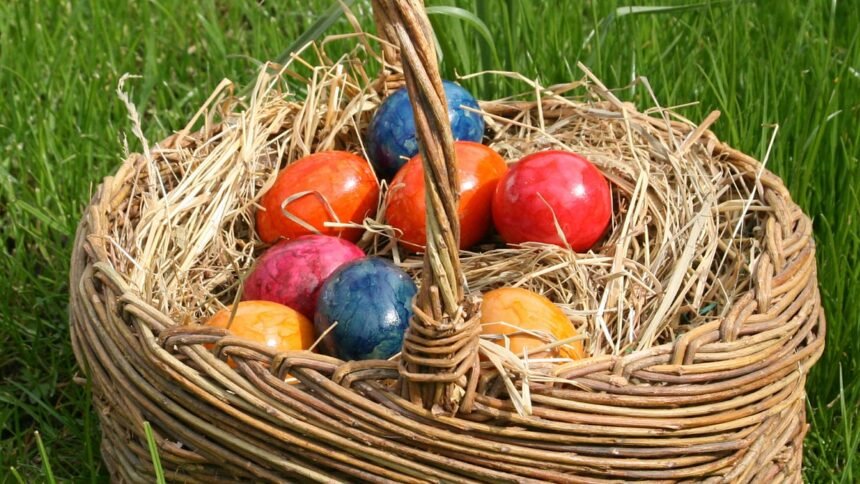
Easter Monday, a holiday observed across many Christian cultures, holds great significance both religiously and culturally. While the focus of Easter Sunday is on the resurrection of Jesus Christ, Easter Monday offers a continuation of this celebration, and in some countries, it’s a day for family gatherings, outdoor activities, and community events. In this article, we will explore the meaning of Easter Monday, its historical roots, and how it’s celebrated around the world.
What is Easter Monday?
Easter Monday is the day that follows Easter Sunday, commemorating the resurrection of Jesus Christ. While Easter Sunday marks the culmination of the Lenten season and the joy of Christ’s victory over death, Easter Monday serves as a continuation of the festivities. It holds particular importance as a public holiday in many countries, offering people a day off to rest, reflect, and spend time with their families.
The day has different meanings depending on cultural and religious contexts. For Christians, Easter Monday represents a time to further celebrate the resurrection of Christ, while in other contexts, it is viewed as a more secular day for relaxation and leisure after the religious observance of Easter Sunday.
The Historical Significance of Easter Monday
The origins of Easter Monday are closely tied to the early Christian Church and the liturgical calendar. In Christian tradition, Easter is a season that lasts for 50 days, known as the Eastertide or Paschal season, which extends from Easter Sunday to Pentecost. Easter Monday falls within this period and continues the spirit of joy, celebration, and reflection that begins on Easter Sunday.
Historically, Easter Monday was recognized as a public holiday in many Christian countries by the Middle Ages. The day was marked with church services, processions, and various activities to celebrate the resurrection. Over time, Easter Monday has also taken on a more secular role in some countries, where it serves as a day of rest and outdoor activities.
How Easter Monday is Celebrated Around the World
The way Easter Monday is celebrated varies widely depending on the country, culture, and religious practices of the community. Here are some of the most notable ways Easter Monday is observed:
1. United States
While Easter Monday is not an official holiday in the United States, some states and localities recognize it as a day for outdoor activities and family gatherings. In Washington, D.C., for example, the White House hosts an annual Easter Egg Roll on Easter Monday, a tradition dating back to 1878. The event involves children rolling Easter eggs on the White House lawn, and it serves as a festive occasion for families.
2. United Kingdom
In the United Kingdom, Easter Monday is a public holiday, and many people use it as a day for relaxation after the religious observances of Easter Sunday. In England, the day is often spent with family, enjoying outdoor events, picnics, or sports. In some parts of the country, people participate in traditional “egg rolling” contests, where hard-boiled eggs are rolled down hills, and the egg that travels the furthest without breaking wins.
3. Australia and New Zealand
Both Australia and New Zealand observe Easter Monday as a public holiday. In these countries, Easter Monday is a day for enjoying the outdoors, attending sporting events, and spending time with family. Many Australians head to the beach or countryside for a relaxing day, while in New Zealand, the holiday is often marked by community events and festivals.
4. Germany
In Germany, Easter Monday is an official public holiday, and it is traditionally a day for outdoor activities. People often go for walks, have picnics, or participate in sporting events. Many towns and villages hold “Easter Monday Processions,” which are colorful parades featuring local traditions, costumes, and music. These processions are an opportunity for the community to come together and celebrate the joy of Eastertide.
5. Poland
In Poland, Easter Monday is known as “Śmigus-Dyngus” (Wet Monday). It is a fun and playful tradition where people splash water on each other, symbolizing the cleansing of sins. It’s a day filled with laughter, joy, and friendly competition, as people take to the streets to engage in this light-hearted custom. The origins of this tradition are rooted in ancient springtime rituals, celebrating renewal and fertility.
6. France
In France, Easter Monday is also a public holiday, and many people use it as an opportunity to spend time with family or friends. A popular Easter Monday tradition in France is to enjoy a hearty meal, often featuring lamb, as it is a symbol of Christ’s sacrifice. Some regions also hold outdoor festivals or fairs to mark the occasion.
Easter Monday in a Religious Context
For Christians, Easter Monday offers an opportunity to reflect further on the significance of the resurrection of Jesus Christ. Church services may be held to continue the Easter celebration, and some communities may hold special processions or gatherings to commemorate this important event in the Christian faith. The resurrection of Christ is a central theme in Christian doctrine, symbolizing hope, renewal, and the victory of life over death.
The Importance of Easter Monday for Families
One of the most cherished aspects of Easter Monday is its role as a family-oriented holiday. After the solemnity and religious focus of Good Friday and Easter Sunday, Easter Monday offers families a chance to come together and enjoy each other’s company. Whether it’s sharing a meal, enjoying outdoor activities, or participating in local traditions, Easter Monday provides a perfect opportunity for bonding and relaxation.
In many countries, schools and businesses remain closed, allowing families to enjoy the day without the pressures of work or school. The focus on togetherness and celebration makes Easter Monday an important day for both religious and secular communities alike.
Conclusion
Easter Monday is a day that holds both religious and secular significance. It offers a continuation of the joy and celebration that begins on Easter Sunday, with a focus on reflection, family, and community. From outdoor activities and festive events to church services and family meals, Easter Monday is a day that brings people together to celebrate the resurrection of Jesus Christ and the spirit of renewal that Easter represents. Whether you are observing it for its religious significance or simply enjoying a day of rest with loved ones, Easter Monday is an occasion that holds a special place in the hearts of many people around the world.
Frequently Asked Questions (FAQ)
1. What is the meaning of Easter Monday?
Easter Monday is the day after Easter Sunday, and it continues the celebration of Jesus Christ’s resurrection. It holds religious significance in the Christian faith and is observed as a public holiday in many countries.
2. Why is Easter Monday celebrated?
Easter Monday is celebrated as part of the Eastertide, which lasts for 50 days after Easter Sunday. It’s a time to further reflect on the resurrection of Jesus Christ and enjoy family-oriented activities.
3. Is Easter Monday a public holiday?
Yes, in many countries such as the United Kingdom, Germany, and Australia, Easter Monday is a public holiday. However, it is not universally observed as a holiday in every country.
4. How do people celebrate Easter Monday?
Easter Monday is celebrated in various ways, including outdoor activities, family gatherings, picnics, processions, and local festivals. The specific traditions vary depending on the country and region.
5. What is the tradition of “Wet Monday” in Poland?
In Poland, Easter Monday is known as “Śmigus-Dyngus” or “Wet Monday,” where people splash water on each other as a fun and playful tradition symbolizing purification and renewal.