


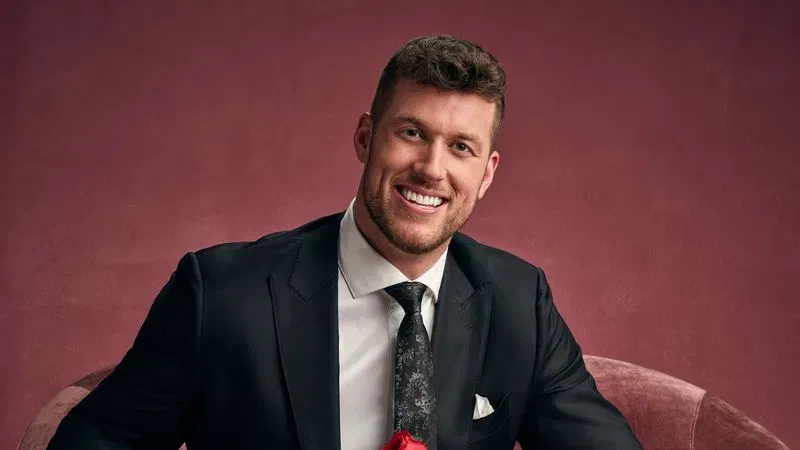
The story of Laura Owens and Clayton Echard became one of the most widely discussed legal controversies involving a reality television personality. What began with a disputed pregnancy claim developed into a lengthy court battle, attracting attention from entertainment fans, legal observers, and the wider public. The case raised important questions about evidence, personal responsibility, privacy, and the consequences of making allegations in court.
Clayton Echard, known for appearing on The Bachelor, found himself at the center of a legal dispute after Laura Owens claimed that he was the father of her unborn twins. The case continued through several court proceedings and eventually led to a criminal investigation. In 2026, the story reached another major milestone when Owens pleaded guilty to criminal charges and received a sentence.
Understanding the Laura Owens Clayton Echard controversy requires looking beyond online discussions and examining the legal proceedings, court findings, and subsequent developments.
Who Is Laura Owens?
Laura Owens became widely known to the public because of her legal dispute with Clayton Echard. Before the controversy attracted national attention, she was not a major figure in mainstream entertainment.
Owens became involved with Echard in May 2023 after contacting him about real estate investment opportunities. According to court records, their interaction developed into a personal encounter. Shortly afterward, Owens claimed that she was pregnant and that Echard was the father.
The circumstances surrounding her pregnancy claim became the central issue in the legal dispute. As the case progressed, questions emerged about the evidence supporting the claim and the statements made during court proceedings.
Although public interest in Owens grew rapidly, it is important to distinguish verified court findings from online speculation. The most reliable account of the controversy comes from official legal records and established news reporting.
Who Is Clayton Echard?
Clayton Echard is an American reality television personality who became particularly recognizable through ABC’s The Bachelor. He first gained wider attention as a contestant on The Bachelorette before becoming the lead of the show’s twenty-sixth season in 2022.
During his season, Echard’s relationships and personal decisions attracted considerable attention from viewers. His experience on reality television made him a familiar face, but the legal controversy involving Owens brought a different kind of public scrutiny.
Echard maintained that he was not the father of the alleged unborn children. He sought a legal resolution rather than allowing the dispute to remain an unresolved public allegation.
The case affected more than his public image. It involved legal expenses, personal stress, and a prolonged process of responding to claims that he disputed. Echard later spoke publicly about the emotional impact of the proceedings and the importance of accountability.
How the Controversy Began
The dispute began in 2023, following the encounter between Owens and Echard. Owens alleged that she was pregnant with twins and that Echard was their father.
In August 2023, she filed a paternity petition in Maricopa County Superior Court in Arizona. The petition sought a legal determination of paternity and related matters, including child support.
Echard disputed the allegation and requested that the court examine the evidence. As the proceedings continued, the parties disagreed about the pregnancy claim, the supporting documentation, and how the case should be resolved.
Owens subsequently stated that she was no longer pregnant and sought to dismiss the case. However, Echard pursued a judicial determination of non-paternity and requested attorney fees and other sanctions.
The dispute therefore continued beyond the initial pregnancy allegation. What might otherwise have remained a private disagreement became a formal legal matter involving evidence, testimony, and judicial findings.
What Did the Court Decide?
The court proceedings became particularly significant in 2024, when a judge examined the evidence presented in the paternity dispute.
The court ultimately ruled in Echard’s favor, finding that he was not the father and addressing concerns about Owens’s claims and conduct during the litigation. The judge also awarded attorney fees and made findings concerning the basis of the legal action.
These decisions were important because they went beyond simply ending the dispute. They established the legal outcome of the paternity matter and created a record that could be examined by other courts and investigators.
Owens challenged aspects of the decision through the appellate process. However, the Arizona Court of Appeals affirmed the attorney-fee award in March 2025. The Arizona Supreme Court subsequently denied her petition for review in August 2025 and granted Echard’s request for attorney fees at that stage.
The appellate proceedings did not simply restart the original paternity case. They focused on the legal issues raised in the appeal, including the award of fees and the trial court’s handling of the dispute.
The Criminal Investigation
The consequences of the case extended beyond family court.
In July 2024, a criminal investigation began after a Superior Court judge referred the matter to authorities. Investigators examined allegations concerning the pregnancy evidence and statements made during the proceedings.
In May 2025, the Maricopa County Attorney’s Office announced that Owens had been indicted on seven felony counts connected to the case. Prosecutors alleged that she had altered an ultrasound image, fabricated a pregnancy video, and repeatedly made false statements under oath.
An indictment is a formal accusation, not a conviction. At that stage, Owens retained the presumption of innocence, and the allegations still needed to be resolved through the criminal justice process.
The investigation nevertheless marked a major turning point. The controversy was no longer limited to a disagreement between two people. It had become a criminal matter involving allegations about evidence and conduct during court proceedings.
Laura Owens Clayton Echard Case: The 2026 Developments
The legal story continued into 2026, bringing further attention to the consequences of the disputed pregnancy claim.
According to reporting published on August 28, 2026, Owens pleaded guilty to two counts of fraudulent schemes and artifices, one count of perjury, and one count of taking the identity of another. The plea resolved criminal allegations connected to the case involving Echard, although other allegations involving a separate individual were also part of the broader legal proceedings.
On October 23, 2026, Owens was sentenced to 30 days in county jail and seven years of probation, according to reporting published by People. The sentence represented a significant development after years of litigation, investigation, and public debate.
The plea agreement and sentence are important distinctions in the story. The criminal case progressed from an investigation and indictment to a guilty plea and sentencing. These are separate stages of the legal process, and describing them accurately helps readers understand how the matter developed.
For Echard, the criminal proceedings followed a long period of defending himself against the original paternity allegation. For Owens, the outcome brought direct legal consequences for the conduct covered by her guilty plea.
The Impact on Clayton Echard
The dispute placed Echard under sustained public scrutiny. As a former reality television lead, he was already accustomed to having aspects of his personal life discussed publicly. However, a legal dispute involving alleged paternity introduced a different level of pressure.
Court proceedings can involve significant financial costs, time commitments, and emotional strain. Echard’s case required him to respond to allegations, participate in legal proceedings, and seek a formal determination.
The experience also demonstrated how quickly a private matter can become a national conversation when one of the people involved has a public profile.
Echard’s experience became part of a wider discussion about protecting individuals from unsupported allegations while preserving fair legal processes. His case also highlighted the importance of allowing courts to evaluate evidence rather than relying solely on public opinion.
Public Reaction and Online Discussions
The Laura Owens Clayton Echard case generated extensive discussion across social media and entertainment news platforms. Many people followed the hearings, reviewed publicly available documents, and debated the legal implications.
However, public discussion also created challenges. Complex court proceedings can easily be reduced to short posts or dramatic headlines that omit important details. Some online commentary may repeat allegations without explaining whether they were proven, disputed, or resolved.
A responsible understanding of the case requires separating verified outcomes from speculation. Court decisions, official announcements, and reliable reporting provide a stronger foundation than unverified claims circulating online.
The controversy also illustrates the risks of treating serious legal matters as entertainment. Although the people involved became subjects of public interest, the underlying issues concerned legal rights, evidence, reputation, and personal consequences.
Why the Case Matters
The case involving Owens and Echard offers several important lessons about the legal system and public accountability.
First, allegations made in court can carry serious consequences when evidence is found to be fabricated or testimony is proven false. Legal proceedings depend on truthful information so that judges can make decisions based on reliable facts.
Second, public figures are entitled to legal protections. Being recognizable does not mean someone should have to accept unsupported allegations without the opportunity to challenge them.
Finally, the case shows why legal outcomes should be reported precisely. An allegation, an indictment, a guilty plea, and a sentence are different events. Understanding those differences makes it easier to follow complicated cases without confusing accusations with established outcomes.
Frequently Asked Questions
Who Is Laura Owens in the Clayton Echard Case?
Laura Owens is the woman who filed a paternity petition against former The Bachelor lead Clayton Echard in 2023. The dispute led to family court proceedings, an investigation, and criminal charges.
Was Clayton Echard Found to Be the Father?
No. The Arizona court ruled in Echard’s favor in the paternity dispute and established non-paternity.
What Happened to Laura Owens in 2026?
Owens pleaded guilty to four criminal counts in August 2026, according to news reporting. On October 23, 2026, she received a sentence of 30 days in county jail and seven years of probation.
Why Did the Case Become So Well Known?
The case attracted attention because Echard was a recognizable television personality and because the dispute moved from family court into a criminal investigation. The evidence and legal outcomes generated extensive public discussion.
Did Clayton Echard Win His Appeal?
The Arizona Court of Appeals affirmed the attorney-fee award against Owens in March 2025. The Arizona Supreme Court later denied her petition for review in August 2025.
Conclusion
The story of Laura Owens Clayton Echard developed from a disputed pregnancy claim into a lengthy legal battle with consequences in both family and criminal court. The proceedings established that Echard was not the father, and the appellate courts upheld the relevant attorney-fee decisions. Later, Owens’s guilty plea and October 2026 sentence brought another major development in the case.
Beyond the headlines, the controversy highlights the importance of truthful evidence, responsible reporting, and due process. It also demonstrates why complicated legal disputes should be understood through documented findings rather than speculation. For readers following the case, the clearest picture comes from recognizing how the original allegation, court rulings, criminal investigation, guilty plea, and sentence fit together in the broader legal timeline.