


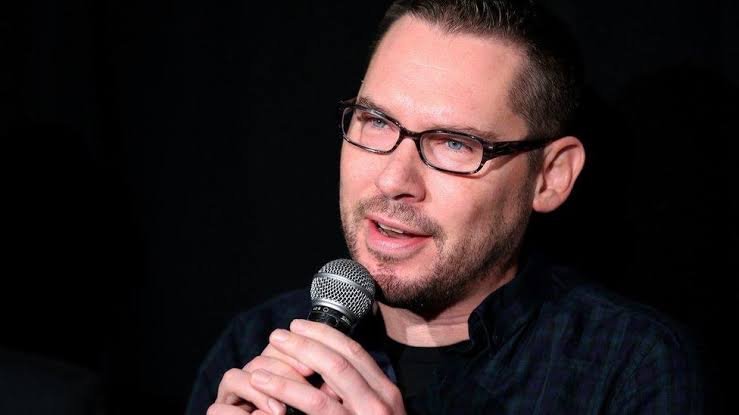
Bryan Singer is an American filmmaker whose career has been closely connected with some of Hollywood’s most recognizable modern films. Born on September 17, 1965, in New York City, Singer developed an interest in filmmaking at a young age and eventually studied at the University of Southern California. From independent cinema to major superhero productions, his career has included The Usual Suspects, X-Men, X2, Superman Returns, Valkyrie, X-Men: Days of Future Past, and Bohemian Rhapsody.
His professional story, however, is complicated. Alongside major commercial and cultural successes, Singer has faced serious allegations concerning sexual misconduct and criticism over his behavior on film sets. He has denied the allegations, and several legal matters ended without criminal charges or were resolved outside court. Understanding his career therefore requires looking at both his filmmaking achievements and the controversies that have shaped his public reputation.
Early Life and Filmmaking Ambitions
Bryan Jay Singer was born in New York City and grew up with an interest in storytelling and movies. His early filmmaking experiences eventually led him toward the University of Southern California, where he worked on student projects and began developing the skills that would define his professional career.
One of his early projects was the short film Lion’s Den, made while he was a student. The experience helped establish his relationship with collaborators who would remain important during the early stages of his career. Singer later directed Public Access, an independent film that won the Grand Jury Prize at the 1993 Sundance Film Festival.
That recognition gave Singer an important opportunity in Hollywood. Instead of entering the industry immediately through a massive studio production, he first demonstrated that he could create tension, atmosphere, and compelling characters on a smaller scale.
The Usual Suspects Changed His Career
The major breakthrough came with The Usual Suspects in 1995. The crime thriller became widely recognized for its intricate storytelling, memorable characters, and carefully constructed mystery.
For Singer, the movie was particularly important because it demonstrated that he could handle sophisticated material while working with a strong ensemble cast. The film helped establish him as a filmmaker capable of moving beyond the independent scene and into larger studio productions.
His follow-up, Apt Pupil, arrived in 1998 and was based on a novella by Stephen King. The psychological thriller explored disturbing themes involving a teenager and a former Nazi war criminal. It further demonstrated Singer’s interest in morally complicated stories and darker subject matter.
Bryan Singer and the X-Men Revolution
The defining stage of Singer’s career began with X-Men in 2000. At a time when superhero movies had not yet become the dominant force they would later become, the film took comic-book characters seriously and presented them through a more grounded dramatic style.
The movie starred Hugh Jackman, Patrick Stewart, Ian McKellen, Halle Berry, Famke Janssen, James Marsden, and Anna Paquin. Its success helped establish the X-Men franchise as a major property for 20th Century Fox and contributed to the growing popularity of modern superhero cinema. IMDb describes the film as a project that helped kick-start the superhero renaissance.
Singer returned for X2: X-Men United in 2003. The sequel expanded the characters and raised the emotional stakes, while continuing to explore themes involving prejudice, identity, fear, and acceptance.
The success of the two films made Singer one of the most recognizable directors working in the superhero genre. His approach emphasized character relationships as much as spectacle, helping establish a template later superhero productions would continue to develop.
Superman Returns and a Different Kind of Hero
After the success of the X-Men films, Singer moved to another legendary comic-book character with Superman Returns in 2006.
Starring Brandon Routh as Superman and Kate Bosworth as Lois Lane, the film attempted to connect modern filmmaking with the spirit of the Christopher Reeve Superman movies. Rather than completely reinventing the character, Singer leaned heavily into nostalgia and emotional storytelling.
The movie received mixed reactions, but its visual ambition and connection to earlier Superman films remain notable. In 2026, coverage marking its 20th anniversary highlighted how unusual the movie was as both a continuation and a revival of the earlier Superman mythology.
Valkyrie and Historical Drama
Singer continued exploring different genres with Valkyrie, released in 2008. The World War II thriller starred Tom Cruise as Claus von Stauffenberg, a German military officer involved in the July 20, 1944 plot to assassinate Adolf Hitler.
The film represented another shift away from comic-book storytelling. Singer had to balance historical events, political tension, action sequences, and the expectations surrounding a major Hollywood production.
Valkyrie also showed that his filmmaking interests extended beyond superheroes and crime thrillers. The movie remains one of the more prominent historical projects in his filmography.
Return to the X-Men Universe
Singer eventually returned to the X-Men franchise with X-Men: Days of Future Past in 2014. The film combined characters from the original X-Men movies with the younger versions introduced in X-Men: First Class.
Its time-travel storyline allowed the filmmakers to connect different generations of characters while changing aspects of the franchise’s established timeline. Hugh Jackman, Patrick Stewart, Ian McKellen, James McAvoy, Michael Fassbender, Jennifer Lawrence, and other major performers appeared in the movie.
Singer followed it with X-Men: Apocalypse in 2016. Although the film received a more mixed critical response than Days of Future Past, it continued his long association with the franchise.
Bohemian Rhapsody and a Complicated Production
One of Singer’s most commercially successful projects was Bohemian Rhapsody, the 2018 musical biographical drama about Queen and Freddie Mercury. Rami Malek portrayed Mercury and received widespread recognition for his performance.
Singer was credited as director, but he was dismissed from the production before filming was completed. Contemporary reporting connected his departure with repeated absences and alleged conflicts on set, while Singer said he had needed to deal with a sick parent.
Despite the production difficulties, Bohemian Rhapsody became a major international success. The film won multiple major awards, with Malek receiving the Academy Award for Best Actor.
Controversies and Public Scrutiny
Any serious discussion of Bryan Singer must also address the allegations that have followed him for years. Multiple individuals have accused the filmmaker of sexual misconduct, including allegations involving minors. Singer has denied the accusations.
Legal actions connected with allegations against him have produced different outcomes over the years, including cases that were dropped or settled. Importantly, allegations should not be presented as established facts, and Singer has not been criminally charged in connection with the accusations discussed in major reporting.
Singer has also faced criticism over reported workplace behavior. Accounts from productions, particularly the early X-Men films, have described tensions between the director, cast, and crew. In later years, members of the X-Men cast publicly reflected on the difficult aspects of working with him.
Hugh Jackman, who played Wolverine in several Singer-directed films, described the subject as complicated and said questions about workplace conduct were appropriate.
These controversies have significantly affected how Singer’s career is discussed today. They also raise broader questions about accountability, workplace standards, and the way audiences evaluate films associated with controversial creators.
Career Legacy
The legacy of Bryan Singer is difficult to reduce to a single description. As a filmmaker, he played a significant role in the development of modern superhero cinema. X-Men and X2 demonstrated that comic-book adaptations could combine large-scale entertainment with serious themes and character-driven drama.
His filmography also includes projects outside the superhero genre, such as The Usual Suspects, Apt Pupil, Valkyrie, and Bohemian Rhapsody. His official filmography continues to identify these productions among the major works associated with his career.
At the same time, his professional reputation has been deeply affected by allegations of misconduct and reports about his behavior during productions. For audiences and industry observers, that makes his legacy more complicated than simply celebrating box-office achievements or influential movies.
What Is Bryan Singer Doing Now?
Singer has remained connected with filmmaking after Bohemian Rhapsody. His official website lists Monument among his projects, while current industry databases also list the project in his directing credits.
His future activity remains a subject of interest because of the combination of his previous commercial success and the controversy surrounding his reputation. Whether audiences will see another major Singer-directed studio film remains uncertain, but his earlier work continues to be discussed as part of the history of modern Hollywood.
Frequently Asked Questions
Who is Bryan Singer?
Bryan Singer is an American film director and producer best known for The Usual Suspects, X-Men, X2: X-Men United, Superman Returns, Valkyrie, X-Men: Days of Future Past, and Bohemian Rhapsody.
What is Bryan Singer best known for?
He is particularly known for directing the first X-Men movie and X2, two films that helped establish the modern superhero movie era. He is also widely associated with The Usual Suspects and Bohemian Rhapsody.
Did Bryan Singer direct Bohemian Rhapsody?
Yes. Singer received the directing credit for Bohemian Rhapsody, although he was removed from the production before filming was completed. Additional filmmaking work was completed after his departure.
Why is Bryan Singer controversial?
Singer has faced multiple allegations of sexual misconduct and criticism concerning his behavior on film sets. He has denied the allegations. Some legal cases ended through dismissal or settlement, and he has not been criminally charged in connection with the allegations discussed in major reporting.
How many X-Men movies did Bryan Singer direct?
Singer directed four films in the X-Men franchise: X-Men, X2: X-Men United, X-Men: Days of Future Past, and X-Men: Apocalypse. He was also involved as a producer or story contributor on other projects connected with the franchise.
Conclusion
Bryan Singer remains one of the more influential and controversial filmmakers associated with modern Hollywood. His early success with The Usual Suspects led to major opportunities, while his work on X-Men helped transform the commercial possibilities of superhero cinema. Later films such as Superman Returns, Valkyrie, and Bohemian Rhapsody demonstrated his willingness to work across different genres and scales.
Yet his professional legacy cannot be separated from the serious allegations and workplace controversies that have surrounded him. A balanced understanding recognizes both the cultural influence of his films and the serious questions raised about his conduct. For that reason, the story of Bryan Singer is ultimately not just one of Hollywood success, but also of the complicated relationship between creative achievement, professional responsibility, and public accountability.