


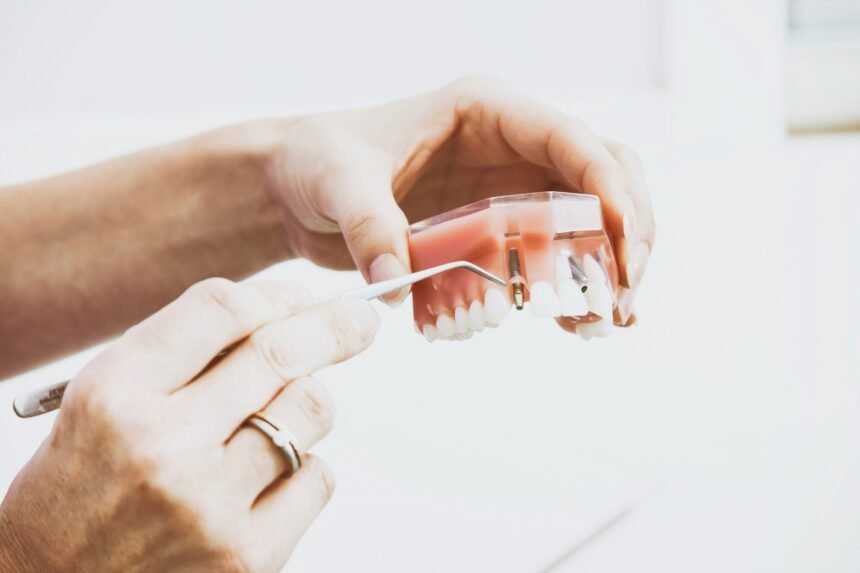
When it comes to replacing missing teeth, the two most common options are dental implants and dentures. Both solutions can restore function and appearance, but dental implants have become the preferred choice for many patients due to their long-term benefits, comfort, and natural feel. Understanding the advantages of dental implants over dentures can help you make an informed decision about which treatment is right for you.
Understanding Dental Implants and Dentures
Dental implants are small titanium posts that are surgically placed into the jawbone to act as artificial tooth roots. Once healed, they support crowns, bridges, or dentures that look and function like natural teeth. Because they integrate directly with the bone, implants provide a secure and permanent solution for tooth loss.
Dentures, on the other hand, are removable prosthetic devices designed to sit on top of the gums. They can replace several missing teeth (partial dentures) or a full arch (complete dentures). While dentures remain a popular and cost-effective option, they can sometimes feel less stable and require ongoing maintenance or adjustments.
Improved Stability and Function
One of the biggest advantages of dental implants over dentures is stability. Because implants are anchored into the jawbone, they don’t move or slip when eating or speaking. This gives patients the confidence to enjoy a wide range of foods without worrying about discomfort or embarrassment.
Dentures, by contrast, rely on suction or adhesive to stay in place. Over time, changes in the shape of the gums and jaw can cause them to become loose, leading to slipping or rubbing. Even well-fitting dentures can sometimes irritate, especially during long periods of use.
Implants replicate the function of natural teeth far more effectively. They allow for stronger biting pressure and better control, making it easier to chew tough or crunchy foods like apples, steak, or crusty bread. This not only improves comfort but also contributes to better digestion and overall health.
A More Natural Look and Feel
Dental implants are designed to mimic the structure of natural teeth. Once fitted with a custom-made crown, bridge, or denture, they look and feel like real teeth. Because the implant fuses with the jawbone, it feels stable and comfortable in the mouth.
Dentures can also improve your smile, but they may not always achieve the same natural appearance. In some cases, they can look slightly bulky or artificial, particularly if they’re not well-fitted. Dentures also cover parts of the mouth such as the palate, which can affect how food tastes and how you speak.
Implants, on the other hand, don’t require any adhesive or support from surrounding teeth, meaning your mouth feels and functions just as it did before tooth loss.
Long-Term Durability and Value
While dental implants may have a higher upfront cost than dentures, they often prove more cost-effective in the long run. Implants are made from durable materials such as titanium and porcelain, designed to last for decades with proper care. In fact, many patients keep their implants for life.
Dentures, by contrast, typically need to be replaced or relined every five to ten years due to natural changes in the mouth. They can also require more frequent maintenance and professional adjustments. When considering the overall lifespan and reliability of implants, the long-term investment often makes them the better choice.
Because implants fuse with the bone, they also help maintain facial structure, reducing the sunken appearance that sometimes develops with prolonged denture use. This contributes to a more youthful and natural look over time.
Preventing Bone Loss and Preserving Facial Shape
One of the most significant benefits of dental implants is their ability to preserve jawbone health. When a tooth is lost, the surrounding bone begins to deteriorate because it no longer receives stimulation from chewing. Over time, this bone loss can change the shape of your face and cause a sagging or aged appearance.
Dental implants mimic the function of natural tooth roots, stimulating the bone each time you bite or chew. This process helps maintain bone density and prevents deterioration. By keeping the jawbone healthy, implants preserve the natural shape of your face and support surrounding teeth.
Dentures, in contrast, rest on top of the gums and don’t provide this stimulation. Without support from the bone, the jaw can gradually shrink, causing dentures to loosen and the facial structure to change.
Easier Maintenance and Oral Hygiene
Caring for dental implants is straightforward and similar to caring for natural teeth. Daily brushing, flossing, and regular dental check-ups are usually enough to keep them in good condition. Because implants are fixed in place, there’s no need for removal or special cleaning solutions.
Dentures require a different care routine. They need to be removed for cleaning and soaked overnight to prevent bacteria build-up. Failing to clean dentures properly can lead to infections, bad breath, or gum irritation. Over time, this can make wearing them uncomfortable.
With implants, maintaining good oral hygiene is simpler and more hygienic, reducing the risk of gum disease or other oral health problems.
Improved Speech and Comfort
Poorly fitting dentures can sometimes affect speech, causing slurring or clicking sounds when talking. This can lead to self-consciousness and difficulty speaking clearly. Dental implants eliminate this issue entirely because they are securely anchored and feel like natural teeth.
The comfort factor is another key advantage. Unlike dentures, which can sometimes rub against the gums or feel bulky, implants are designed to fit seamlessly into the mouth. Once healed, most patients forget they even have them. This natural fit allows for more comfort, confidence, and ease in daily life.
A Permanent Solution
Dental implants are a long-term, permanent solution to tooth loss. Once placed, they become a fixed part of your mouth and require no removal. With proper care, they can last a lifetime.
Dentures, though effective for restoring function, are temporary and need regular adjustments as the mouth changes over time. Some patients also find the process of removing and refitting dentures inconvenient.
Implants provide a “fit and forget” solution — once treatment is complete, you can eat, smile, and speak freely without worrying about slippage or maintenance routines.
Who Is a Good Candidate for Dental Implants?
Most adults with good general and oral health are suitable candidates for dental implants. Key factors include healthy gums and sufficient bone density to support the implant. For those who have experienced bone loss, procedures such as bone grafting can help prepare the jaw for implantation.
Smokers or people with certain health conditions may need a more detailed assessment before proceeding. A consultation with Purley dentist will help determine whether implants are the best option for your needs.
Conclusion
Dental implants offer a wide range of advantages over traditional dentures. They provide a stable, natural-looking, and long-lasting solution that not only restores your smile but also protects your oral health for years to come. With their ability to prevent bone loss, maintain facial structure, and offer superior comfort, implants represent the closest possible replacement for natural teeth.
While dentures remain a useful option for some patients, dental implants stand out as the more advanced and reliable choice. For anyone seeking a permanent, confident, and natural-feeling solution to missing teeth, implants are an investment in both health and quality of life.