



Melle Mel stands as one of the most powerful and influential figures in hip-hop history a voice that not only helped shape the sound of rap’s earliest era but also elevated the art form into a tool for storytelling, social commentary, and cultural transformation. Long before rap became a global business and mainstream entertainment powerhouse, Melle Mel was demonstrating how the microphone could be a megaphone for the realities of life in America’s streets. His flow, delivery, and message helped set the blueprint for generations of artists who followed.
In understanding how Melle Mel became one of the most influential voices in rap, it’s important to explore his early beginnings, his monumental contributions with Grandmaster Flash & The Furious Five, his evolution as a writer and performer, and the legacy that continues to echo through hip-hop today.
Early Foundations From the Bronx to the Birth of Hip-Hop
Melle Mel born Melvin Glover, grew up in the South Bronx at a time when the borough was marked by poverty, political neglect, and social struggle. Yet, it was also a period of incredible creativitywhen block parties, DJs, and MC battles formed the earliest building blocks of hip-hop culture. What set Melle Mel apart from the beginning was his ability to capture the environment around him and turn it into poetic expression.
He was among the first MCs to take the role of the rapper seriously, not just as a hype man for DJs but as a storyteller and cultural commentator. His early performances showcased a distinct blend of rhythm, presence, and lyrical intelligence. As the hip-hop scene evolved from park gatherings to a recognizable cultural movement, Melle Mel evolved with it, emerging as a front-line figure who embodied the voice of a generation finding its identity.
Joining Grandmaster Flash & The Furious Five A Turning Point
Melle Mel rise accelerated when he became the lead voice of Grandmaster Flash & The Furious Five, a group that played a crucial role in the development of rap music. While DJ Grandmaster Flash innovated cutting and mixing techniques that transformed hip-hop’s sonic landscape, Melle Mel became the lyrical engine of the group.
He was not just an MC with charisma he was a writer with purpose. His lyrics reflected street life, ambition, hardship, and hope. In a time when most early rap centered around party themes and crowd interaction, Melle Mel introduced a deeper, more reflective dimension to the music.
This shift positioned him as one of the first rappers to use hip-hop as a serious artistic medium, paving the way for the socially conscious rappers who would follow.
The Breakthrough of “The Message” and Its Cultural Impact
No discussion of Melle Mel’s influence is complete without recognizing the groundbreaking impact of “The Message.” Released in 1982, the track instantly redefined what hip-hop could be. Melle Mel’s gripping delivery and vivid storytelling transformed rap from a fun and energetic pastime into a force capable of shedding light on systemic issues.
With lines describing the pressures and dangers of urban life, “The Message” served as a mirror reflecting society’s inequalities. It was one of the earliest rap songs to portray the emotional weight of living in neglected inner-city neighborhoods far beyond simple beats and rhymes.
What made “The Message” revolutionary was its authenticity. Melle Mel didn’t just rap about the streets; he voiced the experiences of countless Americans living through poverty, violence, and decay. His words resonated with listeners not because they were flashy or boastful, but because they were true.
The song opened the door for hip-hop to tackle subjects like racism, crime, economic disparity, and political corruption. Without Melle Mel’s powerful performance on “The Message,” there might not be the same cultural space for artists like Public Enemy, Tupac Shakur, Nas, or Kendrick Lamar rappers known for turning their lived experiences into powerful narratives.
A Unique Voice and Lyrical Style That Set New Standards
Melle Mel’s voice is instantly recognizable strong, commanding, and full of emotion. His delivery had a theatrical quality that helped shape what would later become the foundation of rap performance. Many modern flows trace their tone and cadence back to aspects of his pioneering style.
Key traits of Melle Mel’s lyrical and vocal approach included:
- Bold projection: He rapped with intensity, making every word sound urgent and important.
- Clear enunciation: His style emphasized clarity, ensuring the message could not be ignored.
- Storytelling focus: He used detailed narratives that painted full pictures through lyrics.
- Social consciousness: His songs often carried moral or political themes.
In an era when the technical sophistication of rap was still developing, Melle Mel brought the skill level forward dramatically. Younger MCs studied his phrasing and breath control, looking to emulate the strength of his delivery. His voice symbolized authority, and his style signaled a new stage in the maturation of rap as an art form.
Beyond The Message Other Key Contributions
Although “The Message” remains his most iconic moment, Melle Mel’s influence spans a wide range of tracks and performances throughout the early 1980s. He contributed to songs that cemented the Furious Five’s role in hip-hop history, from party anthems to politically motivated records.
One of his most celebrated moments came with his role in “White Lines (Don’t Don’t Do It),” an anti-drug track that showcased his commitment to using music to spread awareness. The song’s energetic beat and cautionary lyrics further demonstrated his ability to balance entertainment with responsibility.
Additionally, he made significant contributions to “Beat Street Breakdown,” the soundtrack single for the movie Beat Street, which helped bring hip-hop culture including breakdancing, DJing, and graffiti to mainstream global audiences.
Through each release, Melle Mel reinforced the idea that rap could be a powerful platform for truth, reflection, and social change.
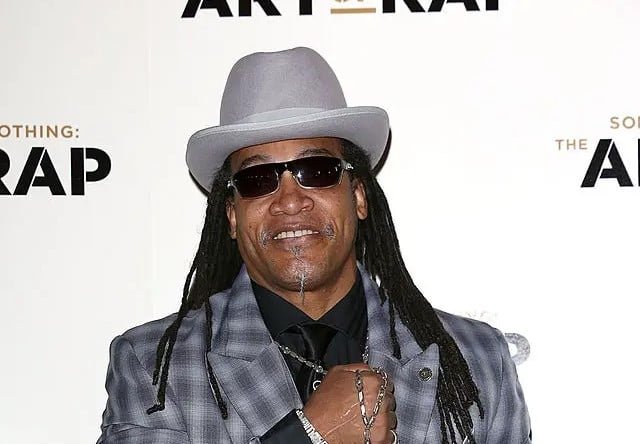
Becoming the First Rapper to Call Himself an MC
Another major milestone in Melle Mel’s influence is his claim as one of the first artists to use the term “MC” (Master of Ceremonies) to describe his role within hip-hop. At the time, the term was transitioning from party hosting to describing a true rap artist.
By adopting this identity early, Melle Mel helped define what it meant to be an MC: a leader, a storyteller, and a voice for the people. His strong presence on stage and on record set expectations for future performers helping mold the image of the rapper as a cultural icon.
A Legacy That Shaped Generations
Melle Mel’s place in hip-hop goes far beyond his early hits. His contributions influenced rap’s growth as a respected genre and global movement. Many of the genre’s most celebrated artists cite him as a major inspiration from pioneers like KRS-One to modern legends like Kendrick Lamar.
Melle Mel’s long-term impact includes:
- Establishing socially conscious rap as a permanent branch of hip-hop.
- Inspiring lyrical realism and authenticity in future generations.
- Helping shape the early structure and performance style of MCing.
- Proving that hip-hop could be a tool for political and social change.
- Laying the groundwork for rap to eventually reach mainstream respect and worldwide recognition.
Without his contributions, hip-hop’s trajectory would likely look very different. Melle Mel’s voice gave the genre power, humanity, and purpose during its formative years.
Conclusion
Melle Mel’s journey from the streets of the Bronx to the global stage represents one of hip-hop’s most important stories. His passion for truth, his command of language, and his fearless approach to storytelling made him more than an entertainer he became a cultural leader.
What solidifies Melle Mel as one of the most influential voices in rap is the timelessness of his message. Decades after their release, songs like “The Message” still resonate because they address real issues that remain relevant today. His work continues to inspire new generations of artists to use their music for something greater than fame to spark thought, provoke conversation, and inspire change.